
Independent Food Safety Standard & Recognition Authority
Food safety failures occur when control measures break down, allowing hazards to impact products or consumers. These failures are often the result of multiple small gaps rather than a single issue.
Risk analysis involves identifying these gaps, evaluating their impact, and implementing controls to prevent recurrence. It is a key part of maintaining effective food safety systems.
This section explores common failure patterns and how businesses can improve system reliability by addressing underlying risks.
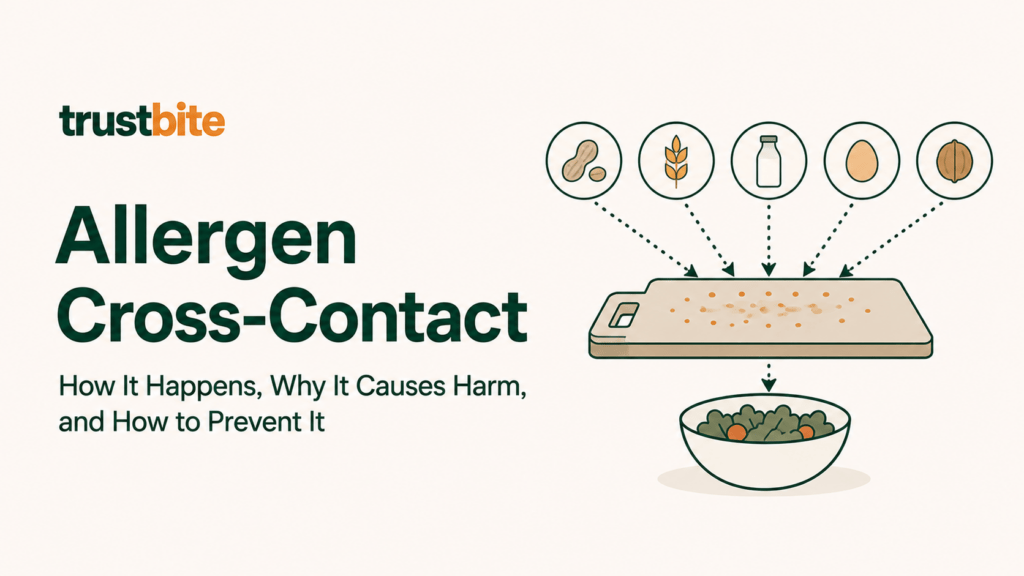
Allergen cross-contact is the unintentional transfer of an allergenic substance from one food or surface…
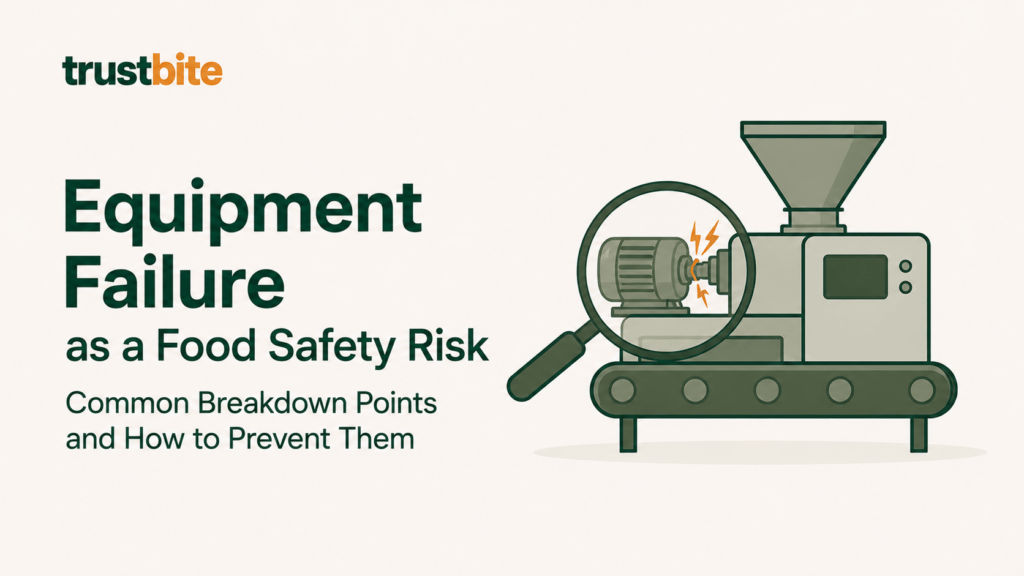
Equipment failure in food safety occurs when the physical systems that monitor, control, or detect…
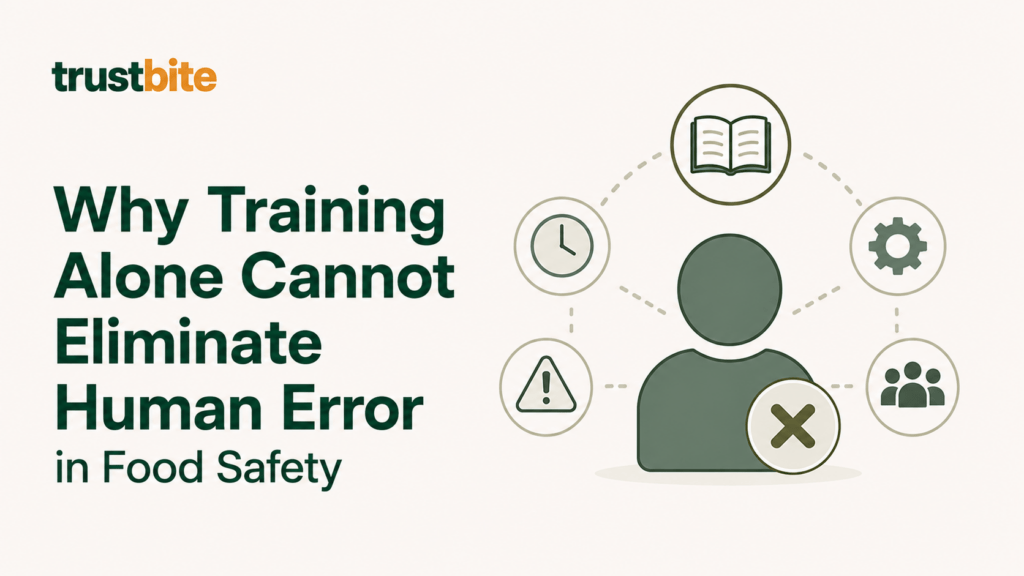
Training is the most frequently cited response to human error in food safety. A temperature…
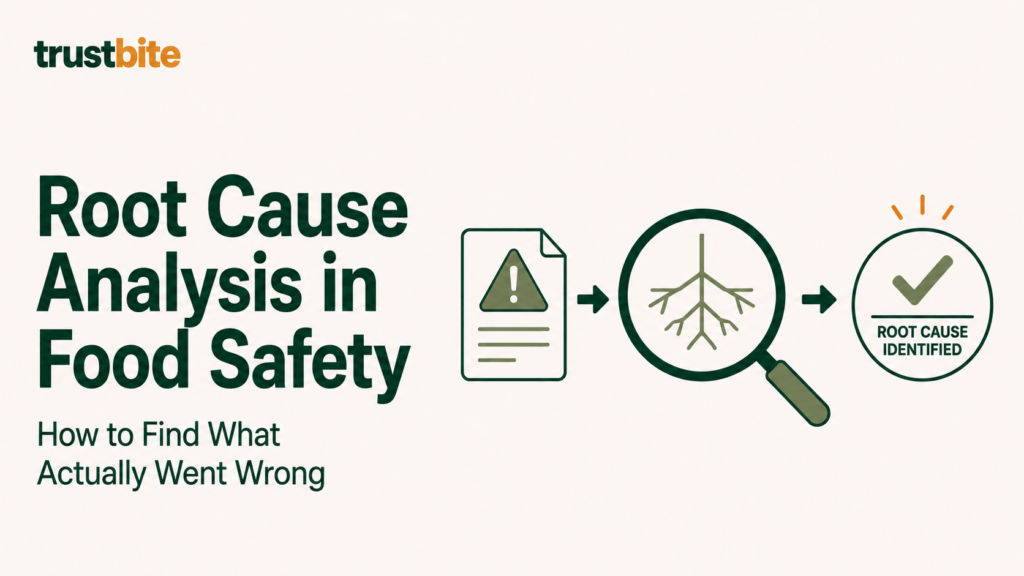
Root cause analysis in food safety is the structured process of identifying the underlying reason…
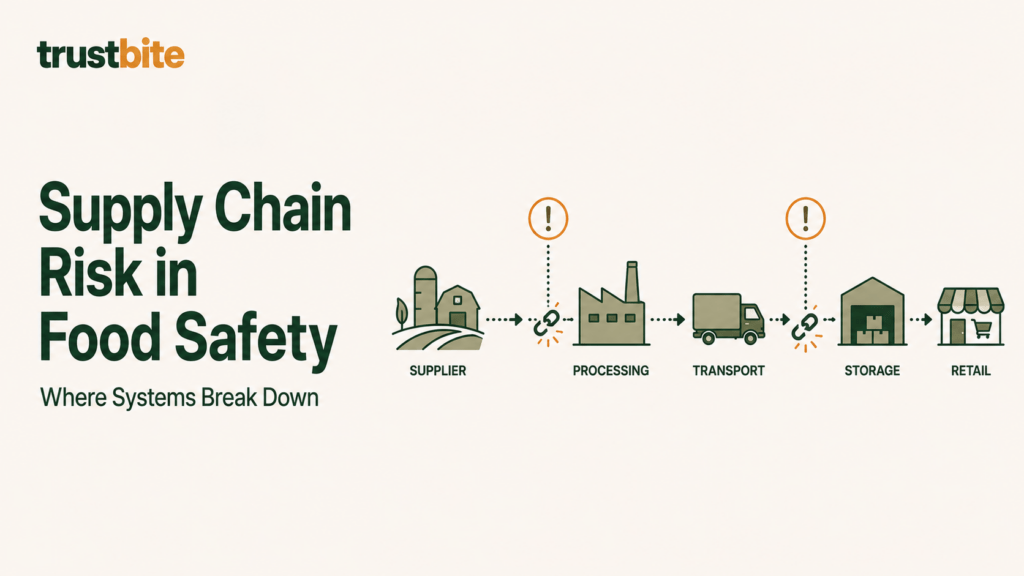
Supply chain risk in food safety refers to the hazards that enter a food business…
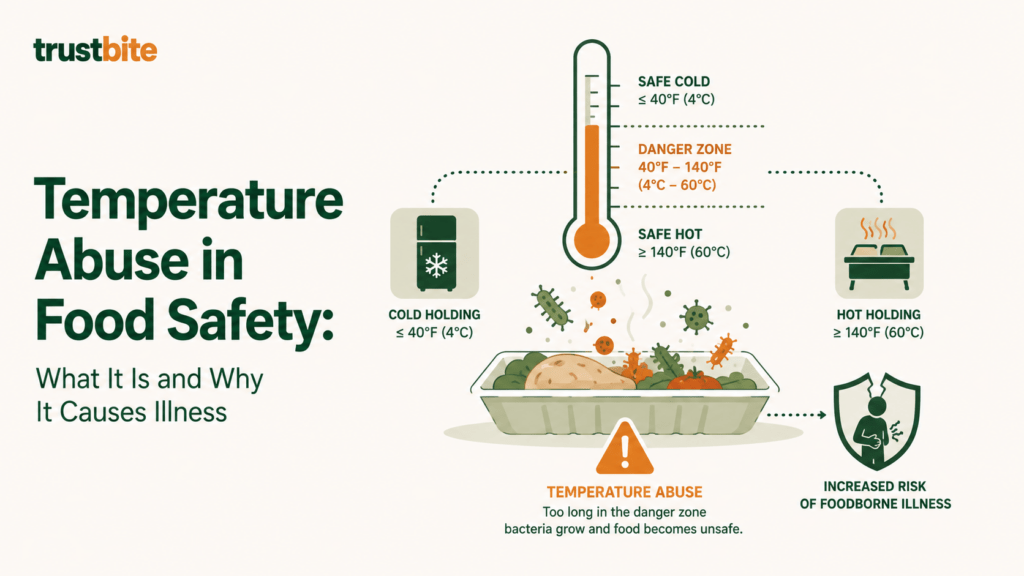
Temperature abuse occurs when food is held, stored, or transported at temperatures within the range…
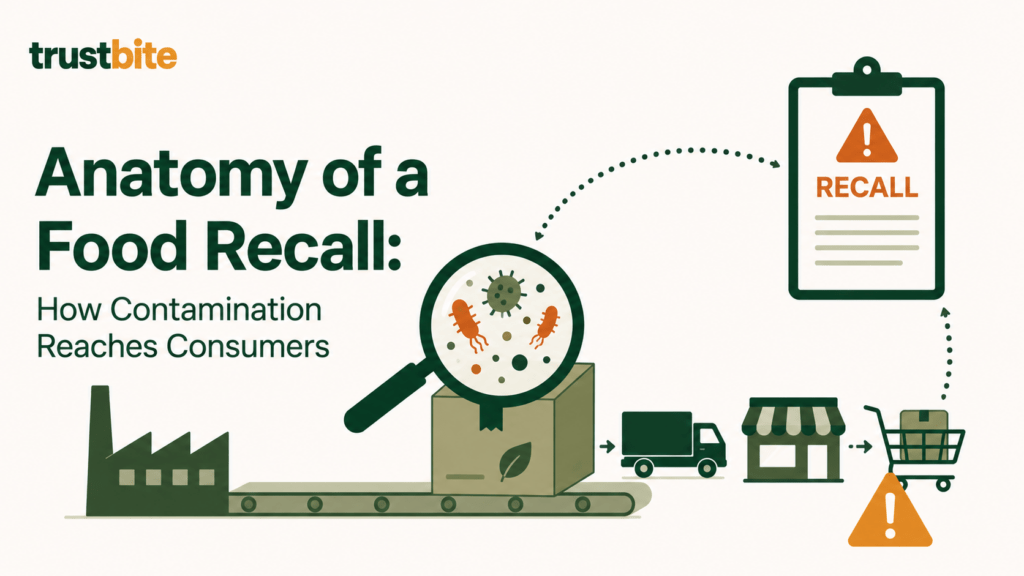
A food recall is the process of removing a food product from the market because…
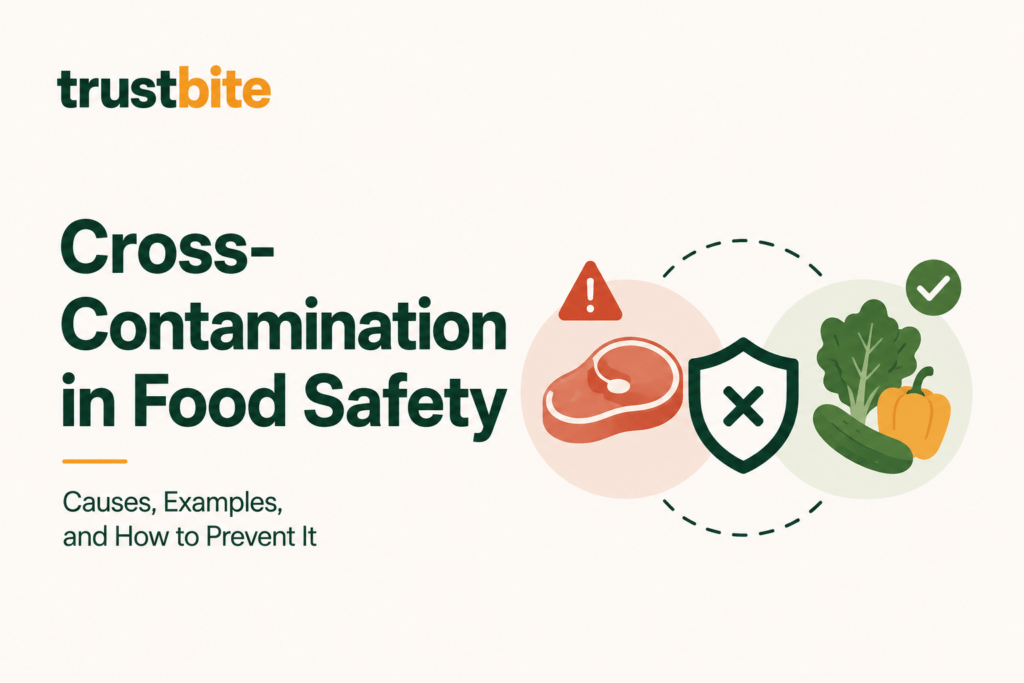
Cross-contamination is the transfer of harmful microorganisms, allergens, or other hazardous substances from one food,…
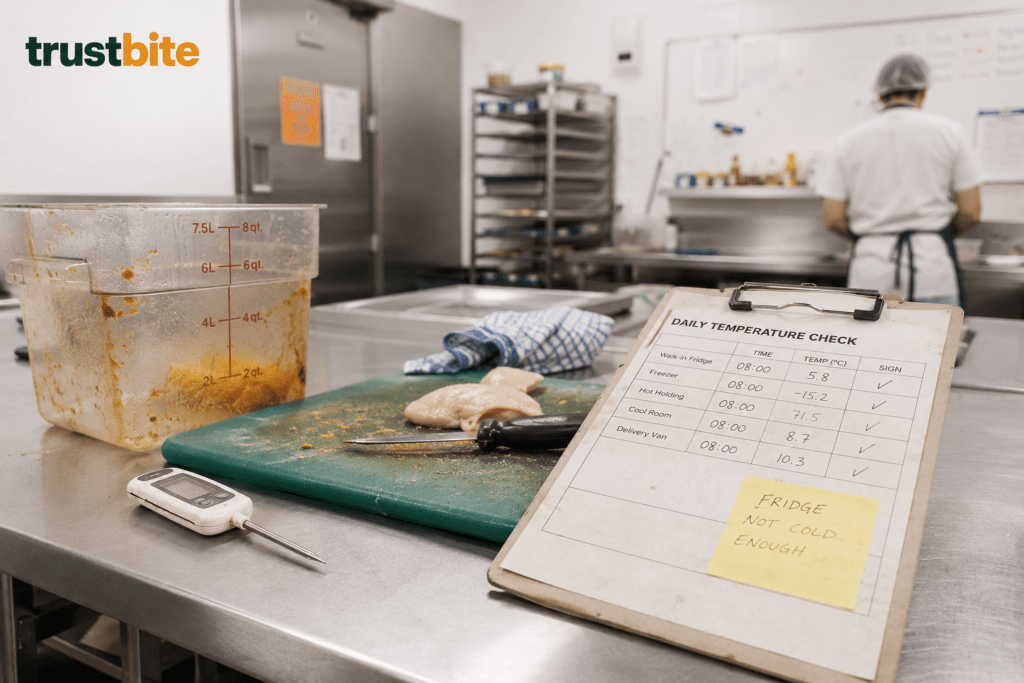
Why Food Safety Systems Fail Food safety systems are created to control risk. They define…


TrustBite is an independent initiative focused on strengthening trust in food safety practices through voluntary standards, professional recognition, and educational coordination.
Copyright 2026 © All Right Reserved Design by Smartlab