
What Is a Foodborne Pathogen? Types, Examples, and How Food Safety Controls Them
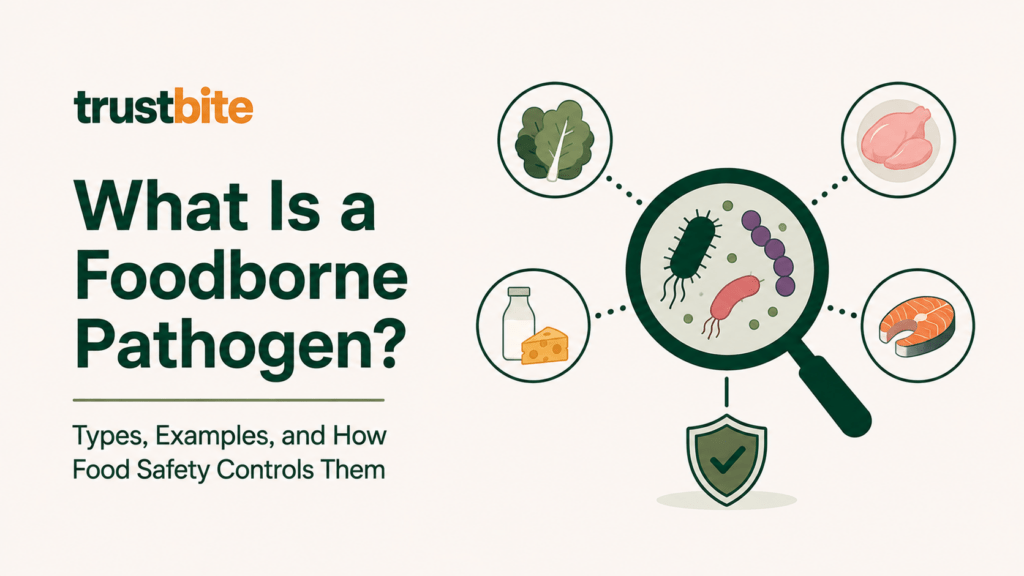
A foodborne pathogen is a biological agent, typically a bacterium, virus, or parasite, that is present in food and causes illness in humans when the food containing it is consumed. Foodborne pathogens are the primary biological hazard that most food safety controls are designed to prevent, reduce, or eliminate, and understanding what they are, how […]
Allergen Cross-Contact: How It Happens, Why It Causes Harm, and How to Prevent It
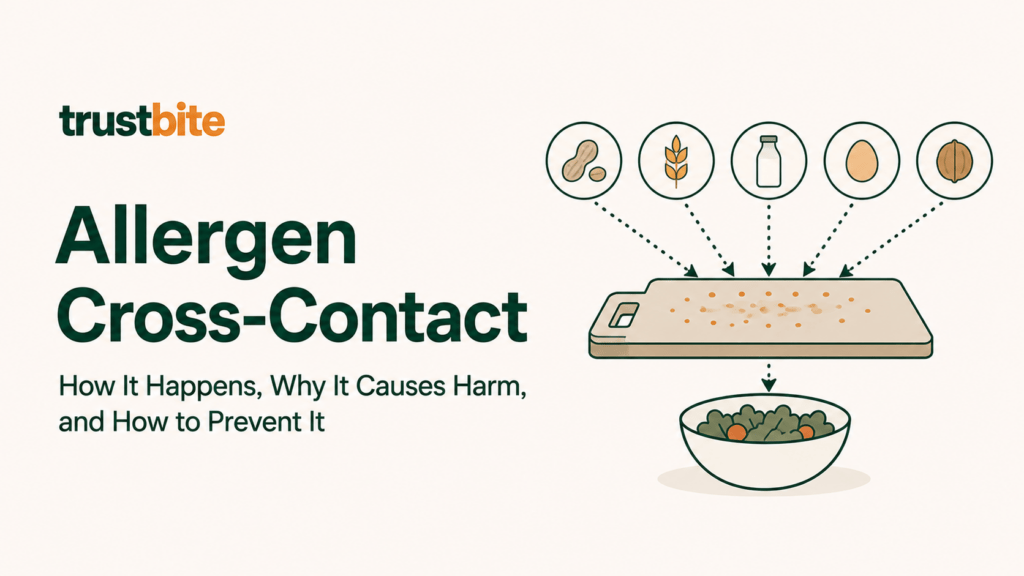
Allergen cross-contact is the unintentional transfer of an allergenic substance from one food or surface to another, resulting in a food that did not intentionally contain the allergen becoming a risk to consumers with allergies or intolerances to that allergen. It is one of the most serious and most preventable food safety failures in the […]
Food Safety Compliance Checklist for New Food Businesses: What You Need to Set Up
A food safety compliance checklist for a new food business covers the legal obligations, operational controls, and documentation that must be in place before food is handled commercially. Starting a food business without these foundations in place creates both legal risk and genuine food safety risk, since the controls that a food safety compliance checklist […]
Food Safety Training for Seasonal Workers and High-Turnover Teams
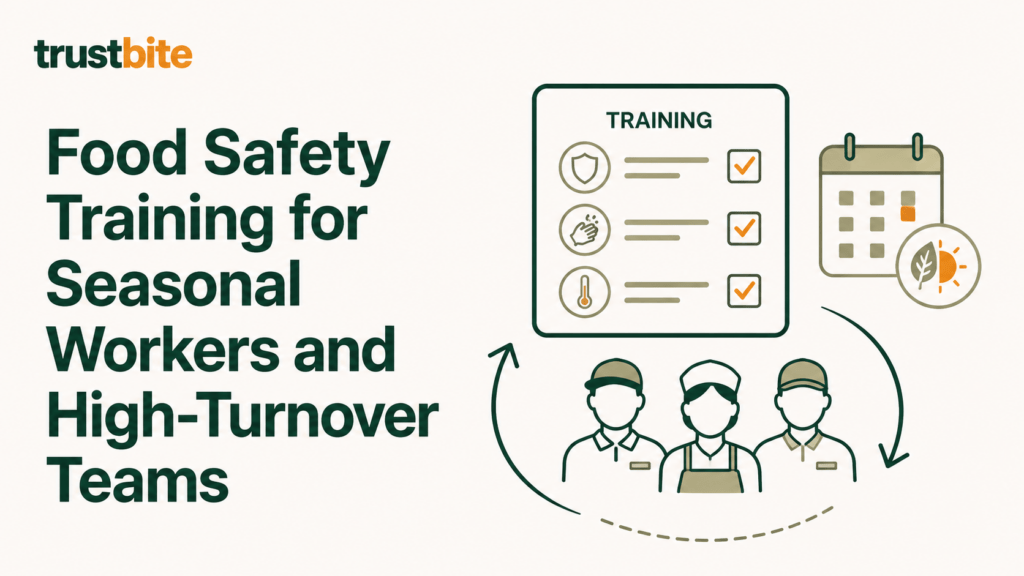
Food safety training for seasonal workers and high-turnover teams presents one of the most operationally demanding workforce management challenges in the food industry. The fundamental requirement does not change: every person handling food must receive training appropriate to their role before they work independently. What changes in seasonal and high-turnover contexts is the frequency with […]
HACCP for Small Food Businesses: A Practical Approach That Works at Any Scale
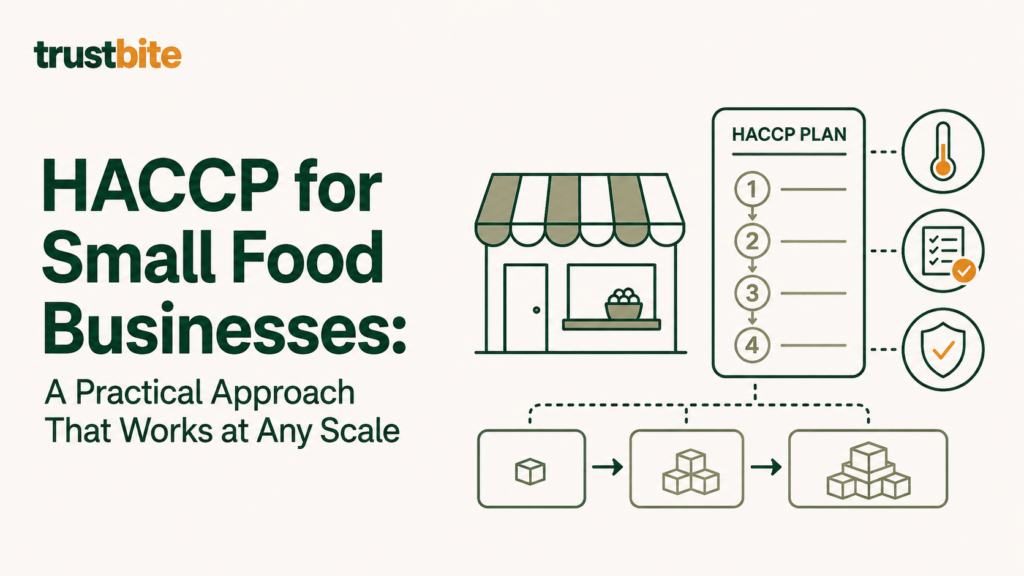
HACCP for small food businesses is a legal requirement in most jurisdictions and an operational necessity in all of them, regardless of whether the business is a single-location café, a market trader preparing food for retail, a small catering company, or a startup food producer. The Codex Alimentarius guidelines and the regulatory frameworks derived from […]
Food Safety Transparency: What It Means for Consumers and Why It Matters
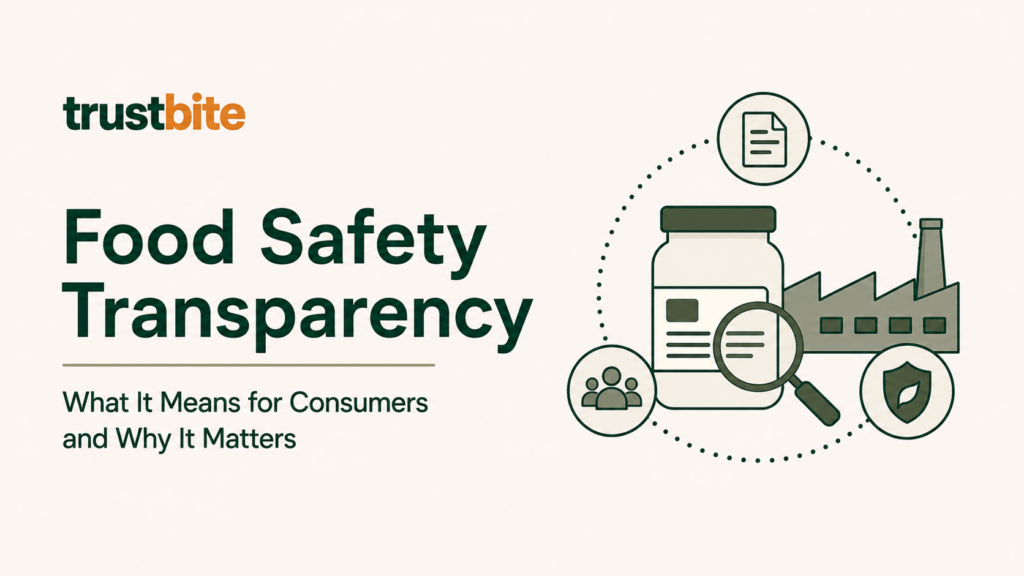
Food safety transparency is the practice of making verifiable information about food safety practices, controls, and performance accessible to consumers, buyers, and other stakeholders rather than treating it as internal operational information that only regulators and certification auditors ever see. It is the difference between a food business telling consumers their food is safe and […]
FIFO in Food Safety: What Stock Rotation Is and Why It Matters
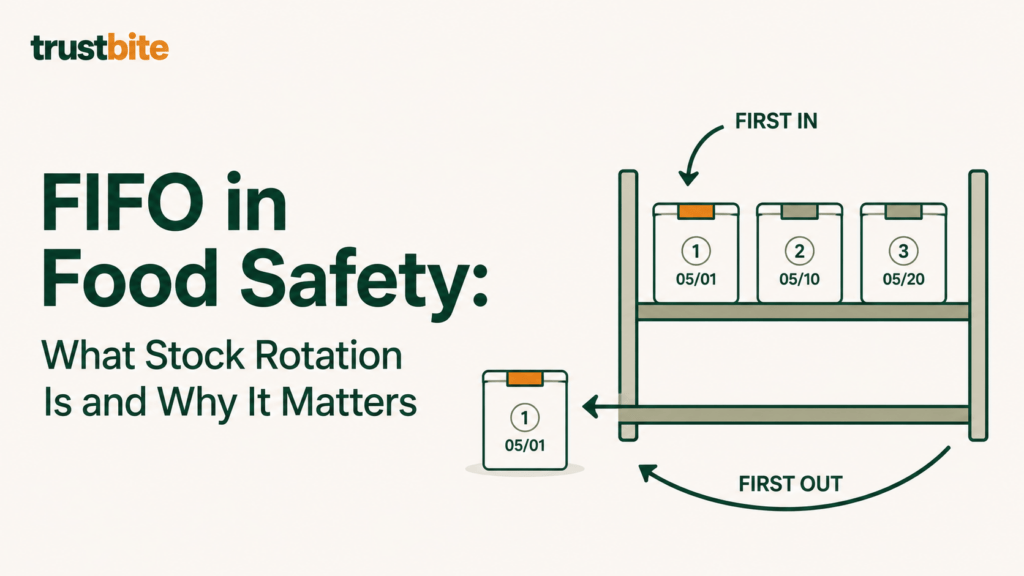
FIFO food safety practice is the stock rotation principle that ensures the oldest inventory of any food product or ingredient is used before newer stock of the same product. FIFO stands for First In, First Out, and it applies across every storage category in a food business: dry goods, refrigerated ingredients, frozen products, and finished […]
Equipment Failure as a Food Safety Risk: Common Breakdown Points and How to Prevent Them
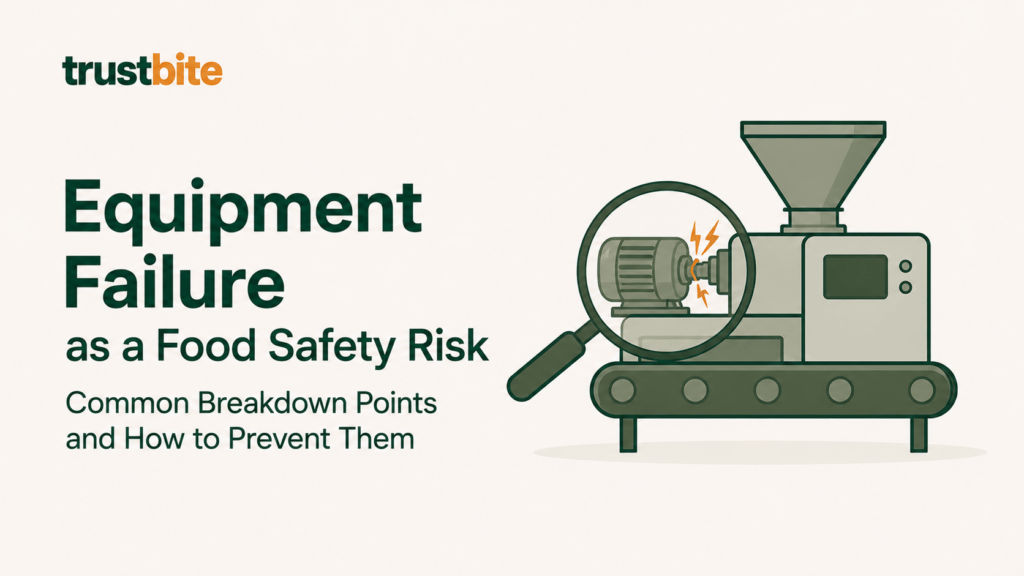
Equipment failure in food safety occurs when the physical systems that monitor, control, or detect food safety hazards stop functioning correctly, creating conditions in which hazards can reach consumers without being controlled or detected. Equipment failure food safety risks range from a refrigerator that drifts above its set point temperature to a metal detector that […]
Food Safety Supplier Audits: What Buyers Look For and How Suppliers Prepare
A food safety supplier audit is a second-party assessment conducted by a buyer, retailer, or their representative at a supplier’s facility to verify that the supplier’s food safety practices, systems, and controls meet the buyer’s defined requirements. Unlike a third-party certification audit conducted by an independent certification body, a food safety supplier audit is driven […]
Allergen Training for Food Handlers: What It Must Cover and Why It Matters
Allergen training for food handlers is the structured education that teaches staff who handle or prepare food how to manage allergens safely, prevent allergen cross-contact, and communicate allergen information accurately to consumers. It is one of the most consequential areas of food safety training because the failure modes it addresses can cause severe harm to […]