
How TrustBite Standards Are Developed: Methodology and Review Process
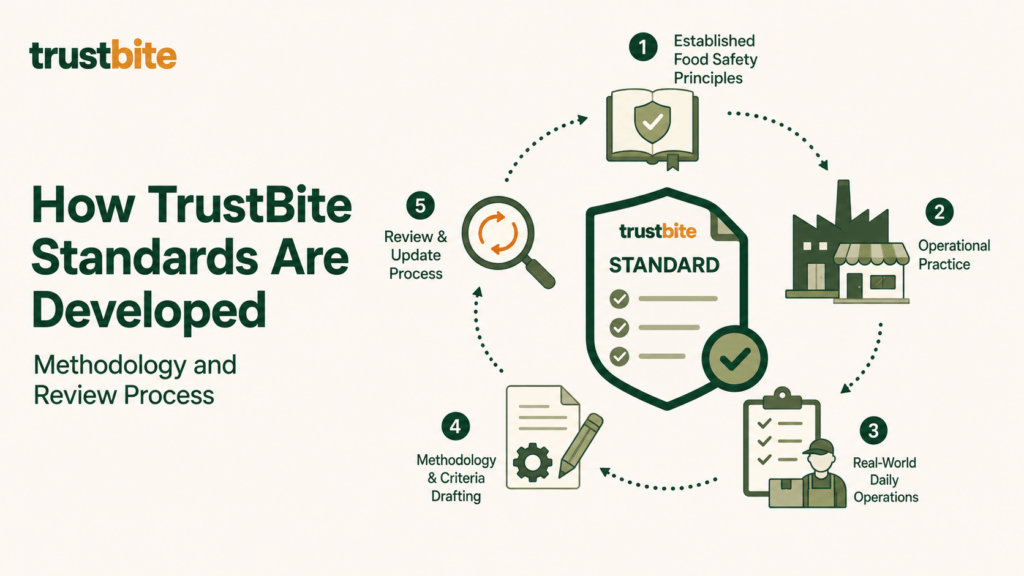
TrustBite standards are developed through a structured process grounded in established food safety principles, operational practice, and the practical realities of how food safety systems perform across different types of food business. The methodology behind the TrustBite standard reflects the organization’s core purpose: evaluating food safety performance as it exists in daily operations rather than […]
Temperature Abuse in Food Safety: What It Is and Why It Causes Illness
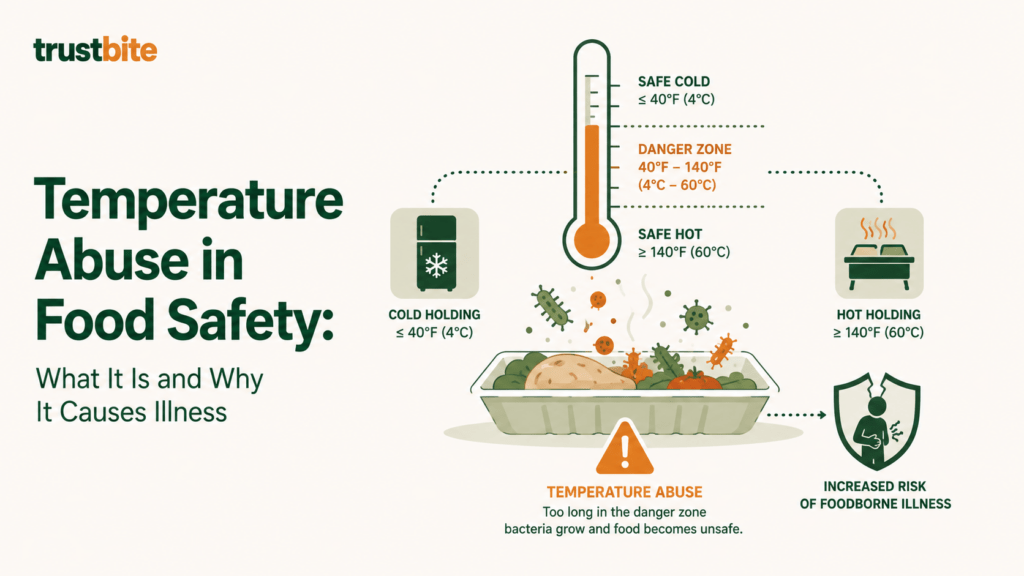
Temperature abuse occurs when food is held, stored, or transported at temperatures within the range where bacteria multiply most rapidly, and for long enough that pathogen levels reach a point where consumption causes illness. It is one of the most consistently cited contributing factors in foodborne illness outbreaks, and it happens across every type of […]
HACCP Certification: What It Is and How Food Businesses Get Certified
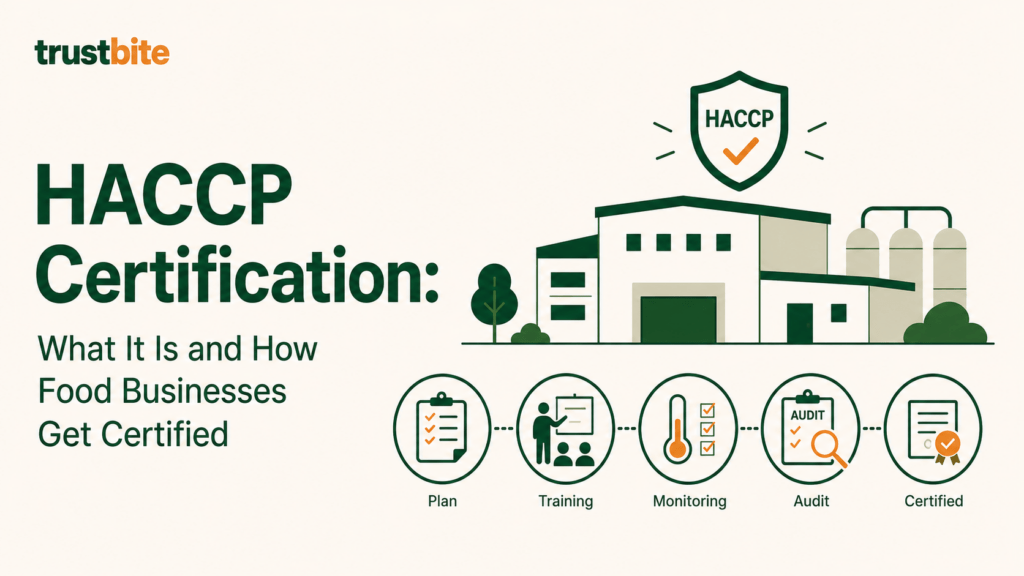
HACCP certification is formal recognition that a food business operates a food safety management system built on verified Hazard Analysis and Critical Control Points principles, assessed and confirmed by an independent third party. It signals to buyers, regulators, and consumers that the business has implemented a structured approach to identifying and controlling food safety hazards […]
Building a Food Safety Culture: What It Means and How Training Creates It
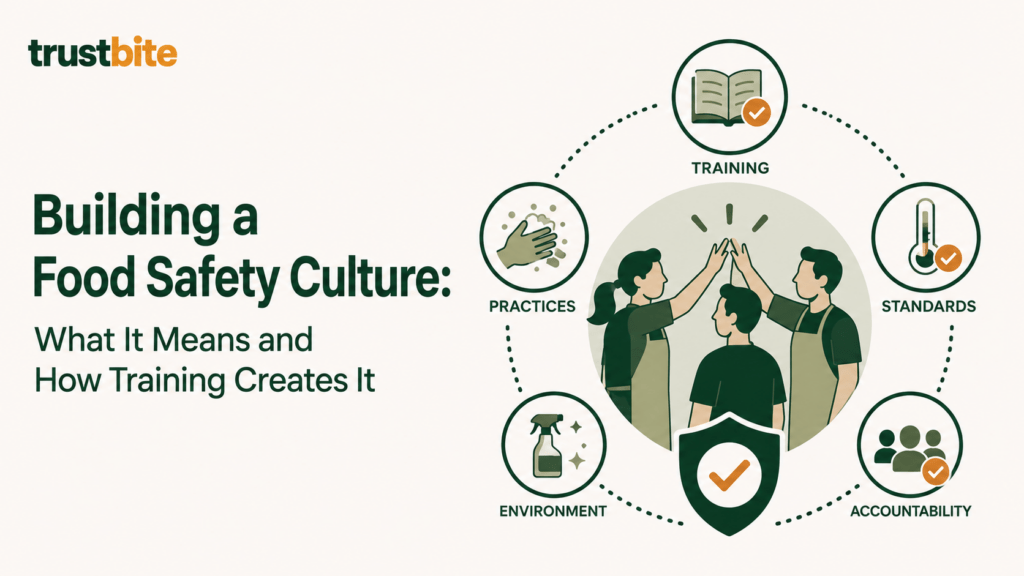
A food safety culture is the shared values, beliefs, and behaviors within a food business that determine how seriously food safety is taken in daily operations, particularly when no one in authority is observing. It is the difference between a team that washes hands because they understand why it matters and a team that washes […]
What Are Prerequisite Programs in Food Safety? A Practical Guide
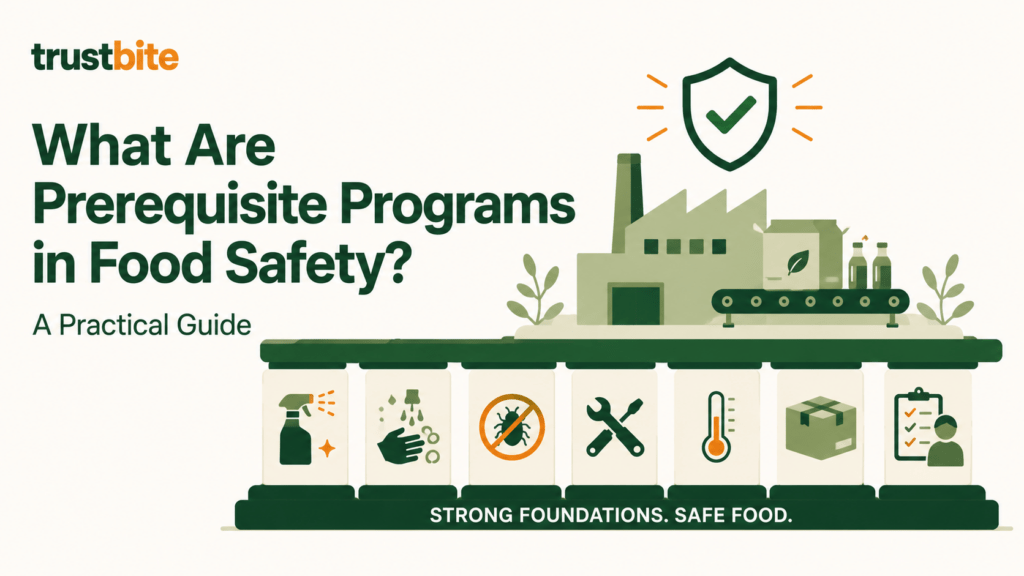
Prerequisite programs are the foundational hygiene and operational controls that a food business must have in place before a HACCP system can function effectively. They address the general conditions and practices in a food handling environment that create the baseline level of control necessary for HACCP to focus specifically on product-related hazards rather than environmental […]
What Does the TrustBite Mark Mean for Consumers and Food Businesses?
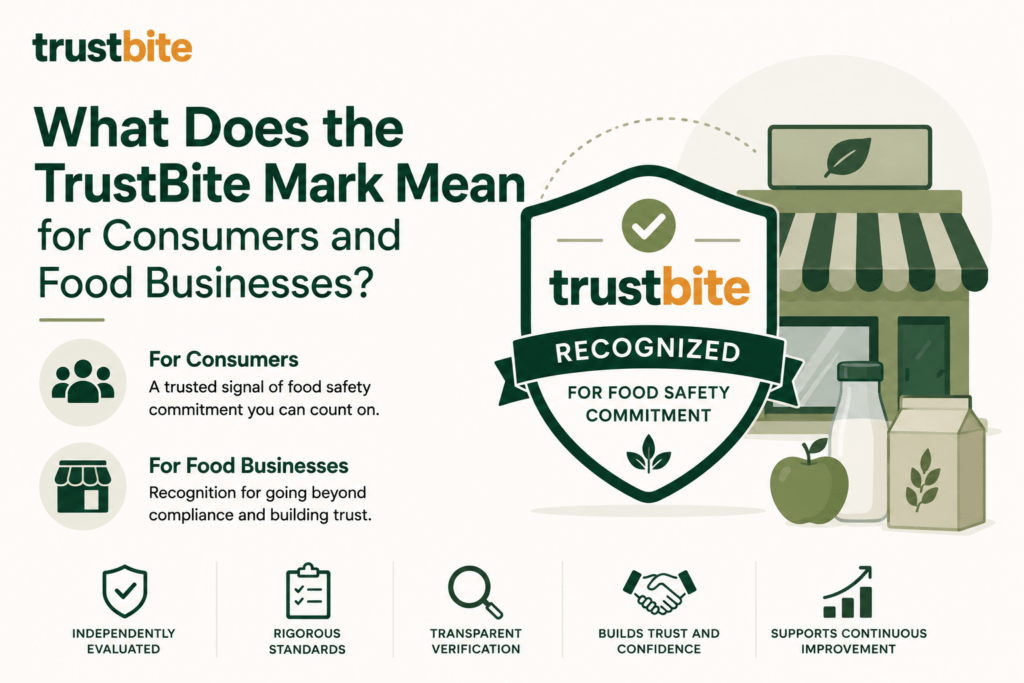
The TrustBite mark is a visual signal that a food business, training provider, or food safety professional has been independently evaluated against the TrustBite standard and found to demonstrate a sustained commitment to responsible food safety practice. It is not a government-issued certification and it does not replace regulatory compliance. It is an independent recognition […]
Allergen Management in Food Businesses: A Practical Guide
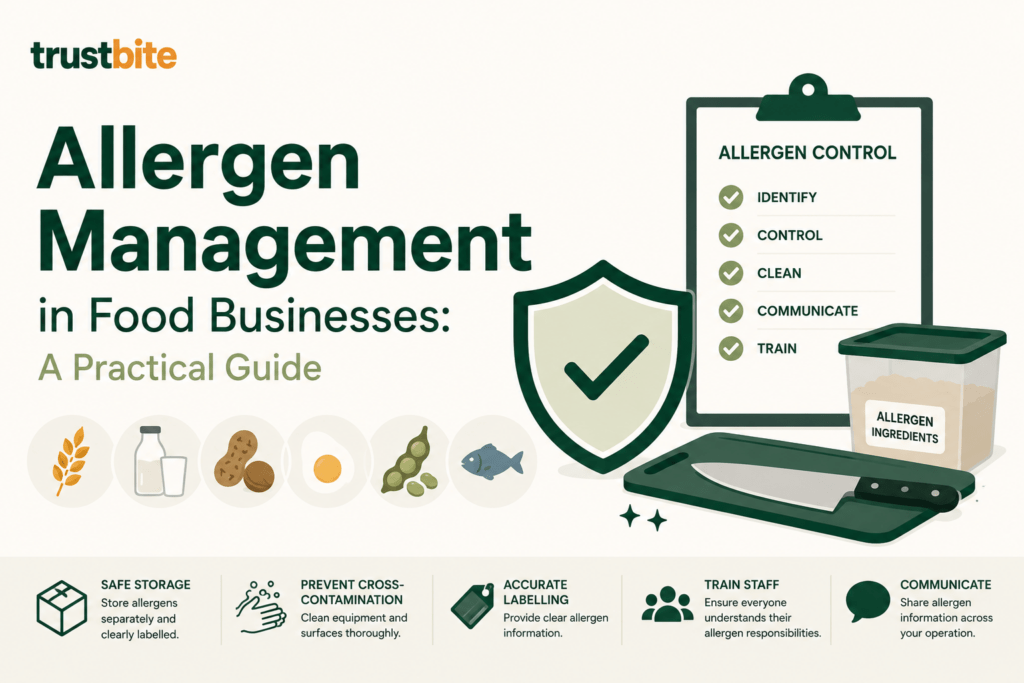
Allergen management is the set of procedures, controls, and practices a food business uses to prevent unintended allergen exposure to consumers. It covers how allergen-containing ingredients are stored, handled, and labelled, how equipment and surfaces are cleaned between allergen and allergen-free production runs, and how staff are trained to understand and apply allergen controls in […]
Anatomy of a Food Recall: How Contamination Reaches Consumers
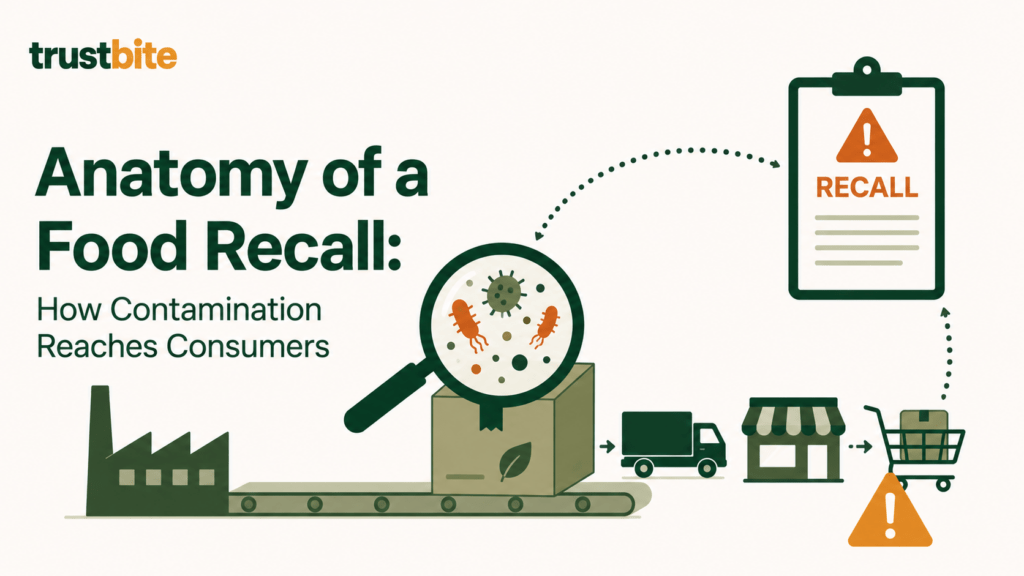
A food recall is the process of removing a food product from the market because it poses or may pose a risk to consumer health. Food recalls happen when a contaminated or potentially unsafe product has entered distribution or reached consumers before the hazard was detected and controlled at the production level. Understanding how a […]
Internal vs External Food Safety Audits: Key Differences and How Each Works
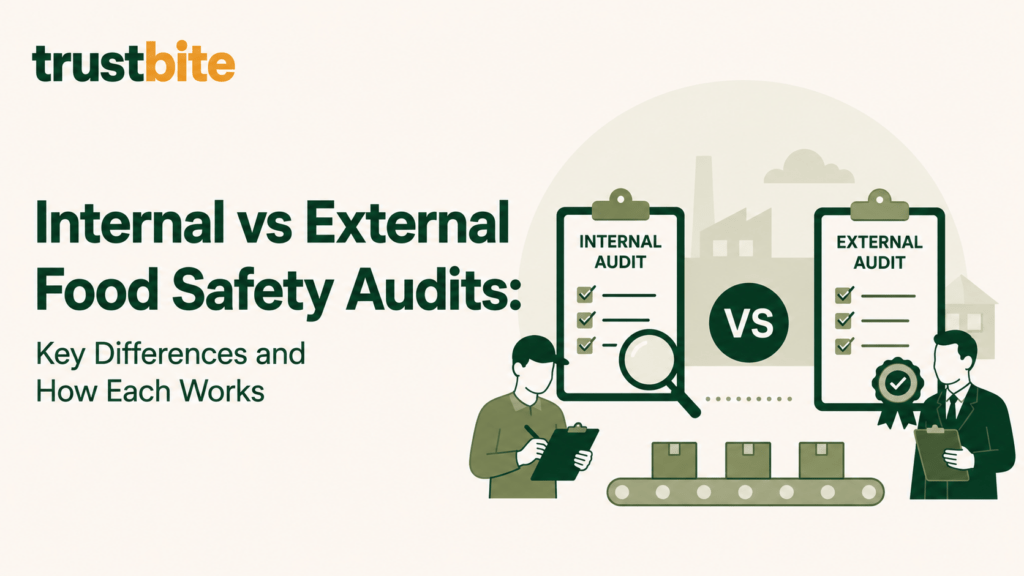
An internal food safety audit is conducted by personnel within the business to assess its own food safety system. An external food safety audit is conducted by an independent party, such as a certification body or a customer, to verify the system against a defined standard or requirement. Both types of audit serve essential functions, […]
How Often Should Food Safety Training Be Renewed? A Practical Guide
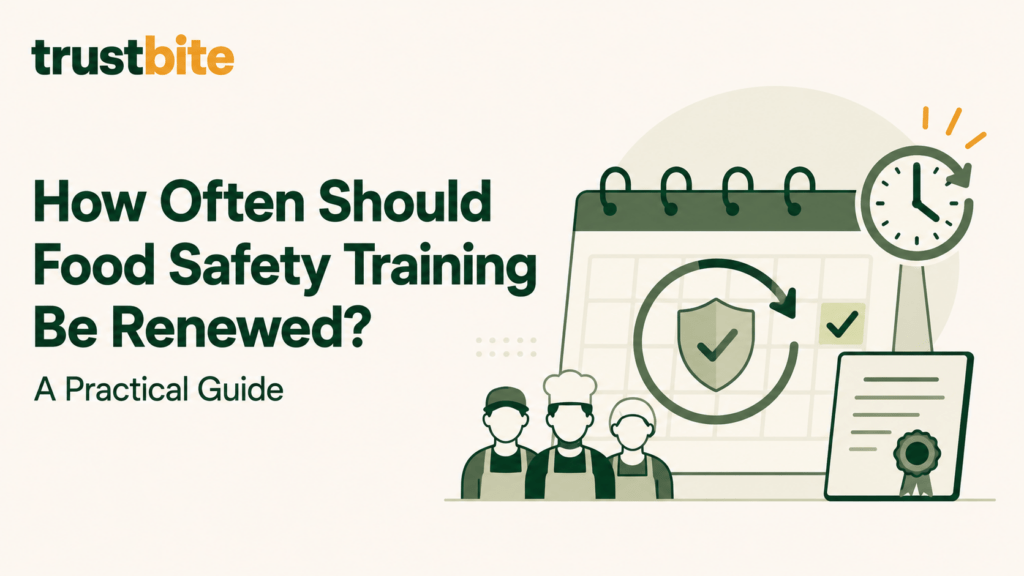
Food safety training should be renewed at regular intervals determined by the role of the employee, the requirements of any applicable certification scheme, and a set of operational triggers that make early renewal necessary regardless of when the last training took place. There is no single universal renewal interval that applies across all food businesses […]