Food safety mistakes happen more often than most people realize. A small habit like forgetting to wash hands or storing leftovers the wrong way can increase the risk of food contamination and foodborne illness.
These mistakes are common in home kitchens, restaurants, school cafeterias, shared apartments, and office break rooms. Many people are busy, distracted, or simply unaware that a routine kitchen shortcut can create a food safety problem.
Good food hygiene is not about perfection. It is about building simple habits that protect people from harmful bacteria in food and reduce unnecessary risks.
This guide explains seven common food safety mistakes that happen in everyday kitchens. You will learn why these mistakes matter, how they happen in real life, and what simple steps can help prevent them.
Why Food Safety Mistakes Happen
Most food safety mistakes are not caused by carelessness. They usually happen because people are rushed, tired, distracted, or unaware of the risks.
Someone may leave cooked rice on the counter too long after dinner. A cook may use the same cutting board for raw chicken and vegetables. A student in a shared kitchen may forget to check food temperatures before reheating leftovers.
These actions seem small, but bacteria can grow quickly under the wrong conditions.
Safe food handling depends on a few important habits:
- Proper handwashing
- Clean kitchen surfaces
- Correct food temperatures
- Safe food storage
- Preventing cross contamination
When these habits become part of daily kitchen routines, food safety becomes much easier to maintain.
1. Poor Handwashing Before Food Preparation
Handwashing is one of the most important food safety practices, yet it is often skipped or rushed.
People touch phones, door handles, money, pets, and raw food throughout the day. Harmful bacteria can easily spread from hands to food.
A Common Kitchen Example
A restaurant worker handles raw chicken, quickly rinses their hands with water, and then starts preparing salad ingredients.
Even though the salad looks fresh and clean, bacteria from the raw chicken may now be on the vegetables.
Why This Is Risky
Hands can carry bacteria, viruses, and other contaminants that cause foodborne illness. Washing hands improperly allows those germs to spread to food, utensils, and kitchen surfaces.
How to Prevent It
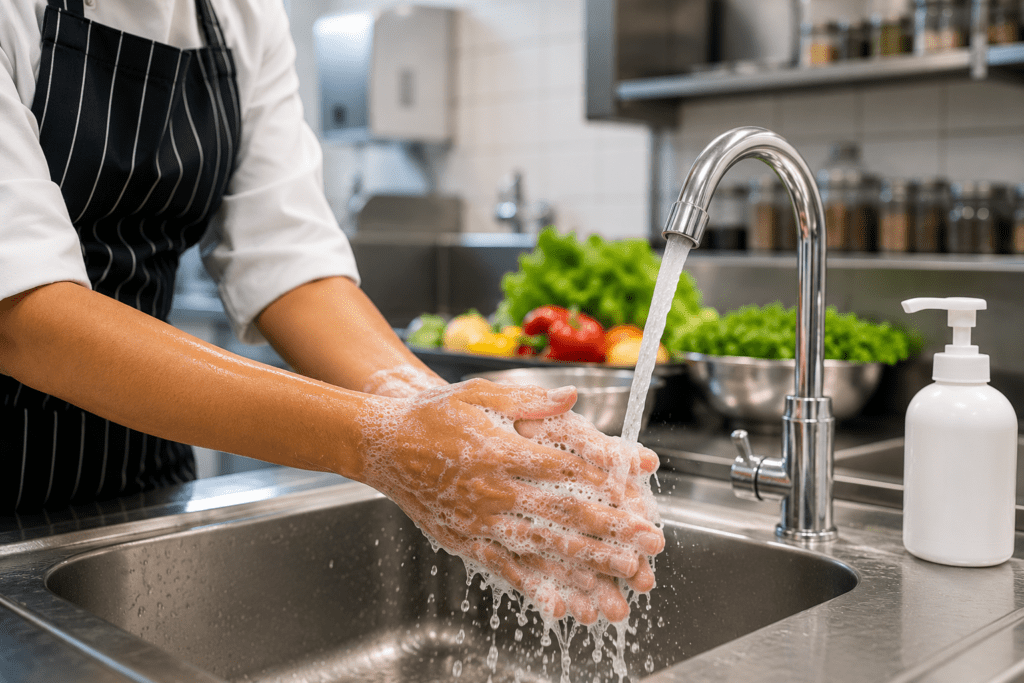
Good handwashing should include:
- Warm running water
- Soap
- Scrubbing for at least 20 seconds
- Cleaning between fingers and under nails
- Drying with a clean towel or paper towel
Hands should always be washed:
- Before preparing food
- After touching raw meat or eggs
- After using the bathroom
- After coughing or sneezing
- After handling garbage
- After touching pets
Strong handwashing habits improve both kitchen hygiene and overall kitchen safety.
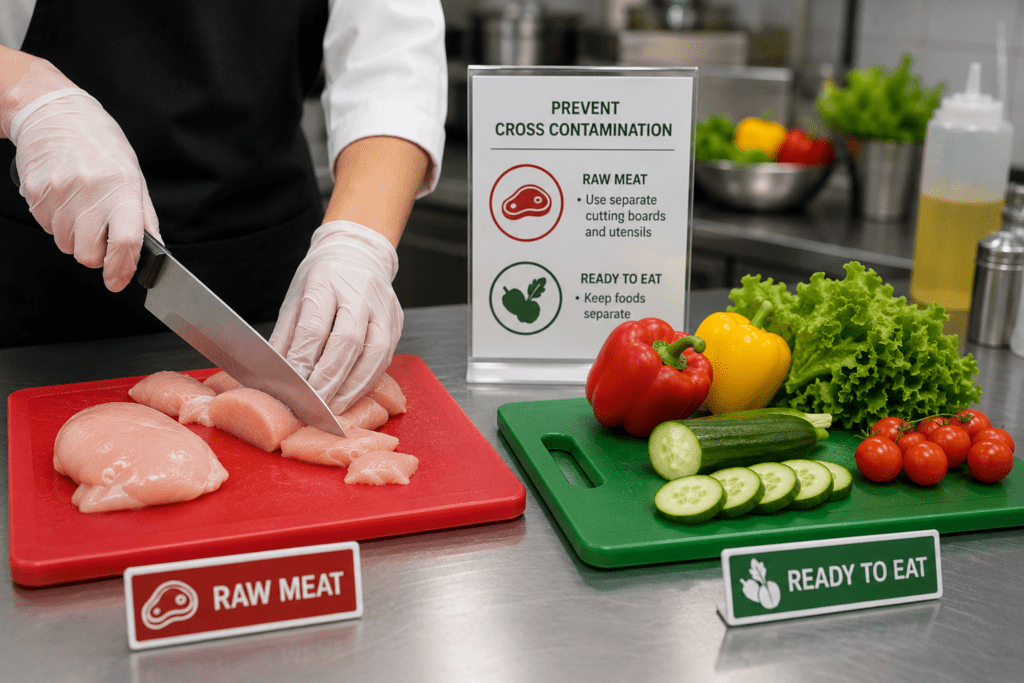
2. Cross Contamination Between Raw and Ready to Eat Foods
Cross contamination happens when bacteria spread from one food or surface to another.
This is one of the most common food safety mistakes in both homes and professional kitchens.
A Common Kitchen Example
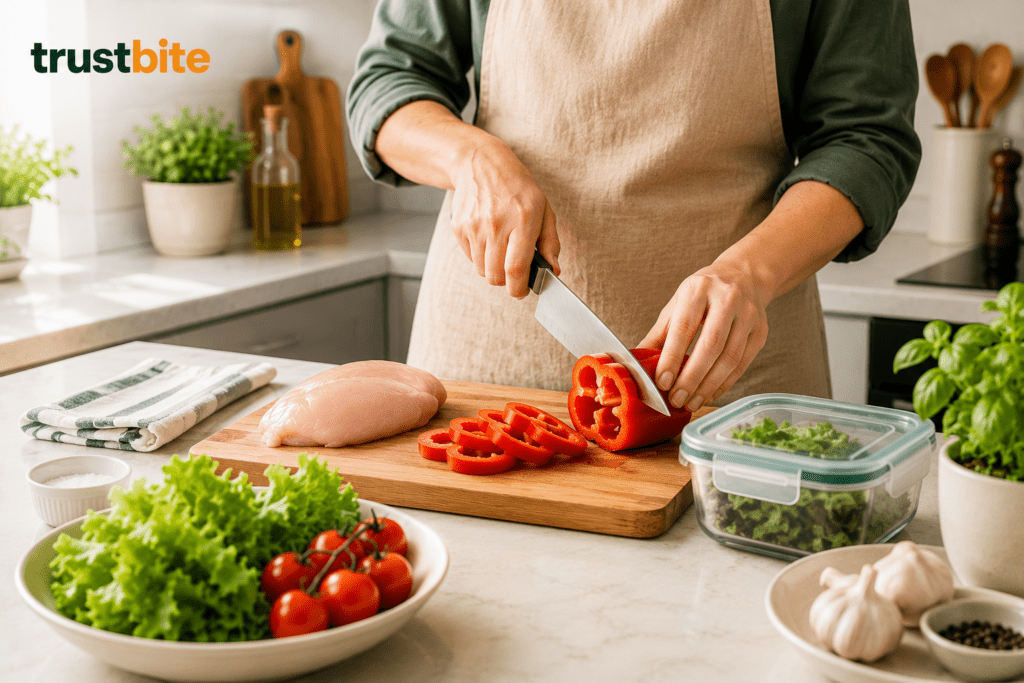
Someone cuts raw chicken on a cutting board and then slices tomatoes on the same board without cleaning it properly first.
The tomatoes are now exposed to bacteria from the raw poultry.
Why This Is Risky
Raw meat, seafood, poultry, and eggs can contain harmful bacteria. If these bacteria spread to foods that will not be cooked again, people can become sick.
Cross contamination can also happen through:
- Knives
- Kitchen towels
- Countertops
- Gloves
- Storage containers
- Refrigerator shelves
How to Prevent It
Safe food handling includes keeping raw and ready to eat foods separate.
Helpful food hygiene practices include:
- Using separate cutting boards for raw meat and vegetables
- Washing knives and utensils after contact with raw food
- Storing raw meat on lower refrigerator shelves
- Using clean plates for cooked food
In shared kitchens, labeling shelves and containers can also help reduce confusion and contamination risks.
3. Cooking Food at Unsafe Temperatures
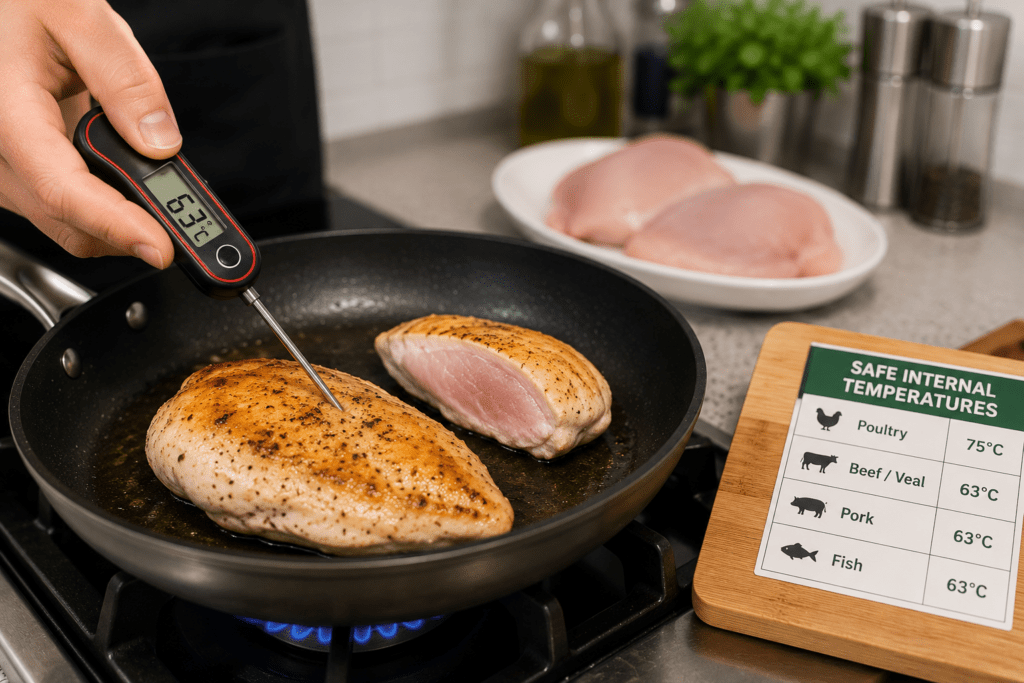
Undercooked food is another major cause of foodborne illness.
Many people judge food by appearance alone, but color and texture are not always reliable signs of safety.
A Common Kitchen Example
A person cooks burgers at home and removes them from the pan because the outside looks brown. The center is still undercooked.
Why This Is Risky
Some bacteria survive when food does not reach safe internal temperatures.
This risk is especially important for:
- Poultry
- Ground meat
- Seafood
- Egg dishes
- Leftovers
Undercooked food may contain harmful bacteria even if it smells and looks normal.
How to Prevent It
Using a food thermometer is one of the best food safety practices.
Safe food handling includes checking internal food temperatures instead of guessing.
Important habits include:
- Cooking poultry fully
- Reheating leftovers until steaming hot
- Avoiding partially cooked meat
- Checking thick parts of food with a thermometer
Restaurants often train employees on food temperatures because consistent cooking reduces safety risks and improves food quality.
4. Improper Food Storage
Improper food storage creates conditions where bacteria in food can grow quickly.
Temperature control plays a major role in kitchen safety.
A Common Kitchen Example
A family finishes dinner and leaves cooked rice and chicken on the kitchen counter for several hours before refrigerating them.
Why This Is Risky
Bacteria grow faster when food stays too long in unsafe temperature ranges.
This can happen with:
- Leftovers
- Dairy products
- Cooked rice
- Meat dishes
- Sauces
- Seafood
Even clean looking food can become unsafe if it is stored incorrectly.
How to Prevent It
Good food storage habits include:
- Refrigerating leftovers promptly
- Keeping refrigerators cold enough
- Using sealed containers
- Labeling prepared foods
- Avoiding overcrowded refrigerators
Food should also be rotated properly. Older items should be used before newer ones to reduce waste and prevent forgotten food from spoiling.
In restaurants and shared kitchens, clear labeling systems help workers track storage times more safely.
5. Reheating Food Incorrectly
People often assume reheating food automatically makes it safe. That is not always true.
Improper reheating can allow bacteria to survive.
A Common Kitchen Example
Someone reheats leftover soup in the microwave for a short time. The center stays cold while the edges become hot.
Why This Is Risky
Uneven reheating may leave parts of the food in unsafe temperature zones where bacteria can survive or continue growing.
This problem happens often with:
- Rice dishes
- Soups
- Pasta
- Large portions of leftovers
- Takeout food
How to Prevent It
Safe reheating practices include:
- Stirring food during reheating
- Reheating until fully hot throughout
- Avoiding repeated reheating cycles
- Dividing large portions into smaller containers
Food temperatures matter just as much during reheating as during initial cooking.
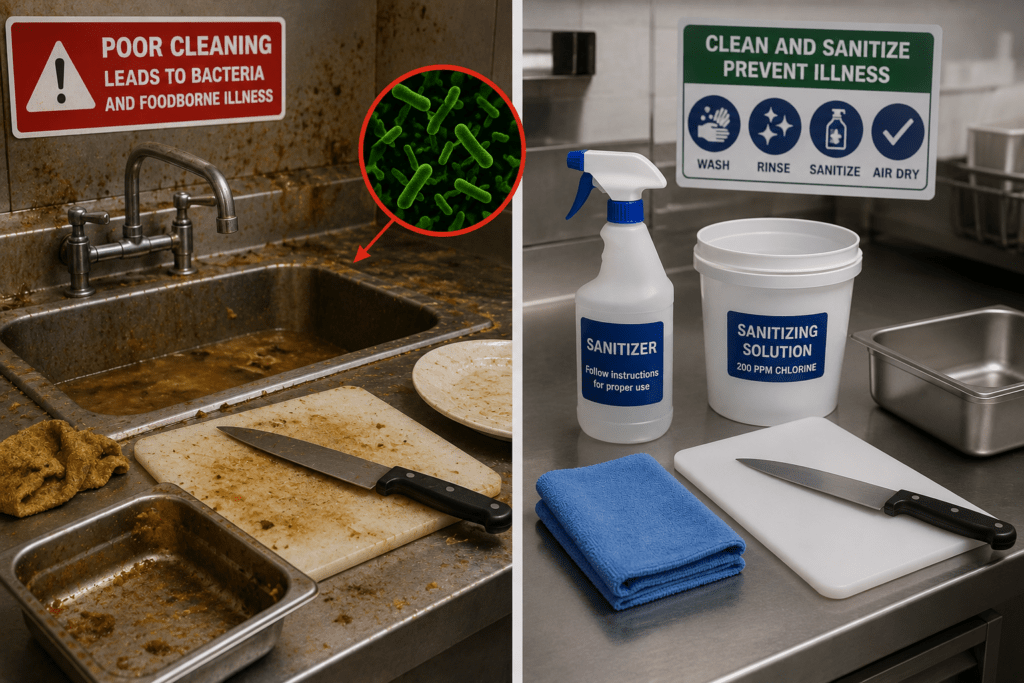
6. Cleaning Kitchen Surfaces the Wrong Way
A kitchen can look clean while still containing harmful bacteria.
Many people clean surfaces in ways that spread contamination instead of removing it.
A Common Kitchen Example
A worker wipes a countertop with the same damp cloth throughout the day without sanitizing or replacing it.
The cloth spreads bacteria from one surface to another.
Why This Is Risky
Dirty cloths, sponges, and improperly cleaned surfaces can carry bacteria between foods and preparation areas.
This increases the risk of food contamination in both home and commercial kitchens.
How to Prevent It
Better kitchen hygiene includes:
- Cleaning and sanitizing food contact surfaces regularly
- Replacing dirty cloths often
- Washing sponges frequently
- Using separate cleaning tools for different areas
- Cleaning spills quickly
Kitchen safety improves when cleaning becomes part of the cooking process instead of an afterthought.
Many businesses now use digital food safety education platforms such as Confi Food to improve workforce training and help teams follow consistent cleaning and food hygiene procedures across different locations.
7. Confusion About Expired Food
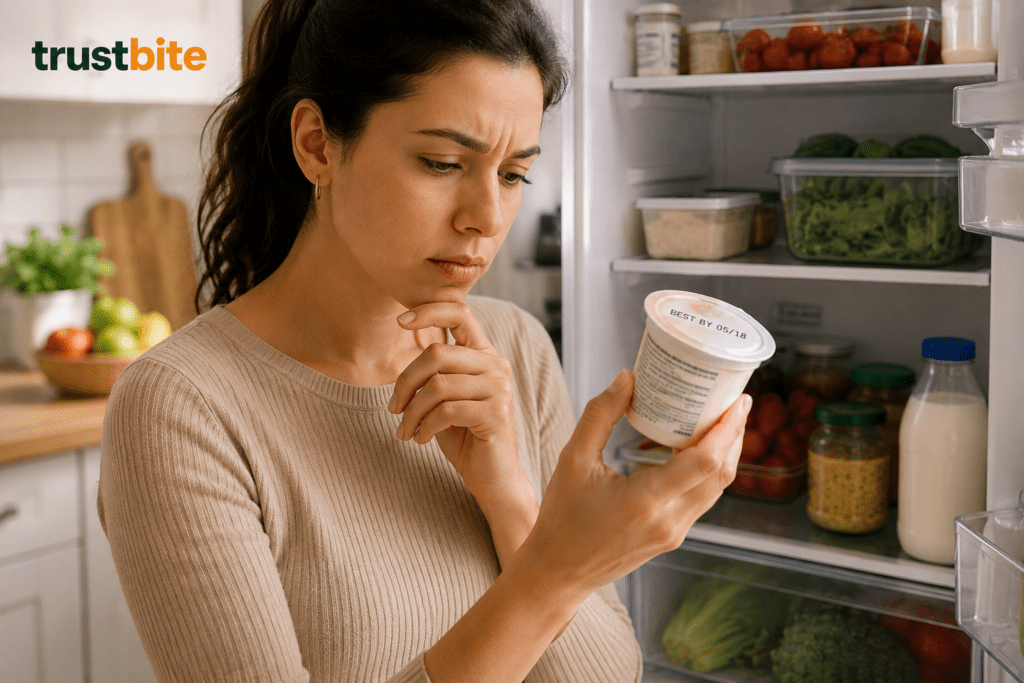
Food date labels confuse many people.
Some people throw away safe food too early. Others keep risky food too long.
A Common Kitchen Example
A student in a shared apartment notices yogurt that passed its date several days ago. It smells fine, so they continue eating it without checking how it was stored.
Why This Is Risky
Date labels do not always mean the same thing.
Improper food storage, damaged packaging, or temperature abuse can make food unsafe even before a printed date.
At the same time, some foods may still be safe shortly after quality based dates if stored correctly.
How to Prevent It
Good food safety practices include:
- Checking packaging for damage
- Looking for unusual smells or texture changes
- Storing food properly
- Following storage instructions
- Keeping refrigerators at safe temperatures
When in doubt, it is safer not to eat questionable food.
Understanding expiration labels is part of smarter kitchen hygiene and safer food handling.
Building Better Food Safety Habits
Good food safety is built through daily habits.
Simple actions repeated consistently can greatly reduce the risk of foodborne illness.
Helpful habits include:
- Washing hands regularly
- Keeping kitchens organized
- Monitoring food temperatures
- Cleaning as you cook
- Labeling stored food
- Separating raw and cooked items
Training also plays an important role. In restaurants, schools, hospitals, and food businesses, regular food safety education helps workers understand why these practices matter.
Even basic food hygiene training can improve consistency and reduce avoidable mistakes.
Conclusion
Food safety mistakes are common because kitchens are busy places. People multitask, rush through routines, and sometimes overlook simple risks.
The good news is that most food safety problems can be prevented through awareness and better habits.
Handwashing, proper food storage, safe cooking temperatures, and clean kitchen practices all work together to reduce food contamination and protect people from foodborne illness.
Whether you cook at home, work in a restaurant, or share a kitchen with others, small improvements in daily routines can make a big difference.
Safe food handling does not need to be complicated. Consistency is what matters most.
Frequently Asked Questions
What are the most common food safety mistakes?
The most common food safety mistakes include poor handwashing, cross contamination, improper food storage, undercooked food, unsafe reheating, poor kitchen cleaning, and confusion about expiration dates.
Why is handwashing important in food safety?
Handwashing helps remove germs, bacteria, and viruses that can spread to food, kitchen surfaces, and utensils. Proper handwashing is one of the most effective ways to prevent foodborne illness.
What is cross contamination in food safety?
Cross contamination happens when harmful bacteria spread from one food, surface, or utensil to another. This often occurs when raw meat touches ready to eat food or shared kitchen tools are not cleaned properly.
Why are food temperatures important?
Safe food temperatures help kill harmful bacteria and reduce the risk of foodborne illness. Cooking, cooling, and reheating food properly are essential parts of safe food handling.
What are safe food handling practices?
Safe food handling practices include washing hands regularly, separating raw and cooked foods, storing food at safe temperatures, cleaning kitchen surfaces properly, and cooking food thoroughly.
How long can food stay out before it becomes unsafe?
Perishable food should not stay at room temperature for long periods because bacteria can grow quickly in unsafe temperature conditions. Refrigerating food promptly helps reduce this risk.
Why should leftovers be refrigerated quickly?
Refrigerating leftovers quickly slows bacterial growth and helps keep food safer to eat later. Leaving cooked food out too long increases the chance of contamination.
Can food look safe but still contain bacteria?
Yes. Food can smell, taste, and look normal while still containing harmful bacteria. This is why proper food hygiene and temperature control are important.
What is the safest way to reheat leftovers?
Leftovers should be reheated evenly until fully hot throughout. Stirring food during reheating helps prevent cold spots where bacteria may survive.
Why is kitchen cleaning important for food safety?
Proper kitchen cleaning removes food residue, grease, and bacteria from surfaces and tools. Clean kitchens reduce the risk of food contamination and help improve overall kitchen hygiene.