Food safety affects everyone every single day. Every meal we cook, buy, serve, or eat depends on safe food handling and good hygiene practices. When food is handled the right way, people stay healthy. When it is not, harmful bacteria, viruses, allergens, or chemicals can cause foodborne illness.
Many people think food safety only matters in restaurants or factories. In reality, it starts in our homes and follows food through every step of the supply chain. Farmers, food manufacturers, delivery workers, chefs, servers, and even customers all play a role in keeping food safe.
Food safety is about protecting people from harm. It helps make sure food is clean, safe to eat, and properly handled from production to consumption. Good food safety practices also help businesses build trust with customers and maintain consistent quality standards.
What Is Food Safety?
Food safety is the process of handling, preparing, storing, and serving food in ways that reduce the risk of contamination and foodborne illness. It includes practical systems and daily habits that help prevent harmful substances or microorganisms from entering food.
Food safety covers many important activities across the food chain. These include proper handwashing, safe cooking temperatures, cleaning and sanitizing surfaces, preventing cross contamination, safe food storage, employee hygiene practices, temperature control, and food safety training. Together, these actions help reduce health risks and improve food quality.
Food safety practices help prevent harmful microorganisms and other hazards from entering food. These practices are used in homes, restaurants, schools, hospitals, food factories, and grocery stores. No matter the environment, the goal is always the same, which is to protect people from unsafe food.
At its core, food safety is about protecting public health. Safe food handling supports healthier communities and helps reduce the spread of foodborne illness. It also supports consumer confidence in the food industry.
Why Food Safety Matters
Unsafe food can make people seriously ill. Foodborne illness can happen when food becomes contaminated with harmful bacteria, viruses, parasites, toxins, or chemicals. In some cases, contamination may not change the smell, taste, or appearance of food, which makes prevention even more important.
Common symptoms include stomach pain, vomiting, diarrhea, fever, and nausea. While many people recover quickly, some cases become severe and require medical attention. Food safety helps lower these risks by encouraging safer food handling and stronger hygiene practices.
Some people face a higher risk of complications from foodborne illness. Young children, older adults, pregnant women, and people with weakened immune systems are especially vulnerable. Protecting these groups is one of the most important reasons food safety standards exist.
Food safety also matters for businesses. A single food safety failure can damage customer trust, lead to product recalls, create legal issues, and hurt a company’s reputation. Businesses that maintain strong food safety systems are more likely to build long term customer confidence.
Good food hygiene protects both people and businesses. It creates safer workplaces, improves operational consistency, and supports better customer experiences. Strong food safety practices also help businesses meet regulatory requirements more effectively.
Understanding Foodborne Illness
Foodborne illness happens when someone eats contaminated food or drinks contaminated water. These illnesses can range from mild stomach discomfort to serious health complications depending on the type of contamination and the health of the individual.
Contamination can occur at any stage of the food chain, including farming, processing, packaging, transportation, storage, cooking, and serving. Because food passes through many hands and environments, every stage requires proper food safety controls.
Some common causes of foodborne illness include bacteria, viruses, parasites, and chemical contamination. Each type of hazard behaves differently and requires different prevention methods. Understanding these risks helps food handlers make safer decisions every day.
Bacteria
Bacteria are one of the most common food safety hazards. Certain bacteria can grow quickly when food is stored at unsafe temperatures or handled improperly. This is especially common in foods that contain moisture and nutrients.
Examples include Salmonella, Listeria, and E. coli. These bacteria can spread through raw meat, unwashed produce, contaminated water, or dirty equipment. Proper cooking, cleaning, and temperature control help reduce these risks.
Viruses
Viruses can spread through poor hygiene practices, especially when food handlers do not wash their hands properly. Unlike bacteria, viruses do not grow in food, but they can still spread easily through contaminated surfaces and direct contact.
Norovirus is one of the most common examples linked to foodborne illness outbreaks. Good personal hygiene and proper sanitation are important for preventing viral contamination in food environments.
Parasites
Parasites can enter food through contaminated water, undercooked meat, or poor sanitation. They are less common than bacteria or viruses, but they can still cause serious illness in some situations.
Safe cooking temperatures and clean water sources help reduce the risk of parasitic contamination. Proper hygiene practices also play an important role in prevention.
Chemical Hazards
Cleaning chemicals, pesticides, or unsafe food additives can contaminate food if they are not handled properly. Chemical contamination may happen during cleaning, storage, or food production processes.
Businesses must carefully store chemicals away from food preparation areas. Clear labeling and proper employee training also help reduce chemical hazards.
Physical Hazards
Foreign objects like glass, metal fragments, plastic, or hair can accidentally enter food and cause injury. Physical contamination often happens because of damaged equipment, poor handling, or weak inspection processes.
Even small physical hazards can create serious safety concerns for customers. Regular equipment maintenance and proper food handling help lower these risks.
The Main Types of Food Safety Hazards
Food safety hazards are usually grouped into three main categories. These categories help food businesses identify risks and create proper control measures.
Understanding these hazard groups makes it easier to build effective food safety systems. It also helps employees recognize potential dangers during daily operations.
Biological Hazards
Biological hazards involve harmful microorganisms such as bacteria, viruses, molds, and parasites. These hazards are the most common cause of foodborne illness around the world.
Biological contamination often spreads through unsafe temperatures, poor hygiene, contaminated water, or cross contamination. Good sanitation and safe food handling practices are essential for controlling these risks.
Chemical Hazards
Chemical hazards include substances that should not be present in food or are present at unsafe levels. These hazards may come from cleaning products, pesticides, allergens, or industrial chemicals.
Food businesses must handle chemicals carefully and follow proper storage procedures. Staff should also understand how to prevent accidental chemical contamination during cleaning and food preparation.
Physical Hazards
Physical hazards are visible foreign objects that accidentally enter food during production or handling. Examples include broken glass, jewelry, metal shavings, and packaging materials.
These hazards can cause injuries and damage customer trust. Businesses often use inspections, equipment checks, and preventive maintenance to reduce physical contamination risks.
How Food Contamination Happens
Food contamination happens when harmful substances or microorganisms enter food. Contamination can happen quickly and often without visible warning signs.
Many food safety problems happen because of simple daily mistakes. Understanding how contamination spreads helps people prevent foodborne illness more effectively.
Cross Contamination
Cross contamination occurs when harmful bacteria or allergens spread from one surface, food item, or person to another. This is one of the most common causes of food safety issues in kitchens and food businesses.
For example, using the same cutting board for raw chicken and fresh vegetables without cleaning it first can spread bacteria. Separate equipment and proper cleaning procedures help reduce this risk.
Poor Personal Hygiene
Food handlers who do not wash their hands properly can transfer harmful microorganisms to food. Poor hygiene practices are a major contributor to foodborne illness outbreaks.
Dirty uniforms, uncovered wounds, and poor hygiene habits also increase risk. Businesses should create clear hygiene rules and encourage employees to follow them consistently.
Improper Temperature Control
Certain temperatures allow bacteria to grow rapidly. Food left too long at unsafe temperatures can become dangerous even if it looks and smells normal.
Cold foods should stay properly refrigerated while hot foods should remain hot during service. Monitoring temperatures regularly helps prevent bacterial growth.
Unsafe Cleaning Practices
Poor cleaning and sanitizing can leave harmful microorganisms on equipment, counters, and utensils. Food residue and moisture create environments where bacteria can survive and spread.
Cleaning removes dirt while sanitizing reduces harmful microorganisms to safer levels. Both steps are important parts of effective food safety management.
Contaminated Water or Ingredients
Unsafe water and contaminated raw materials can introduce hazards into food before preparation even begins. Suppliers and ingredient quality play a major role in food safety.
Businesses should source ingredients from trusted suppliers and monitor incoming products carefully. Safe water systems are also essential for proper food hygiene.
Safe Food Handling Basics
Safe food handling is one of the most important parts of food safety. Simple habits followed consistently can greatly reduce contamination risks.
Safe food handling applies to both home kitchens and professional food businesses. Small actions often make the biggest difference in preventing foodborne illness.
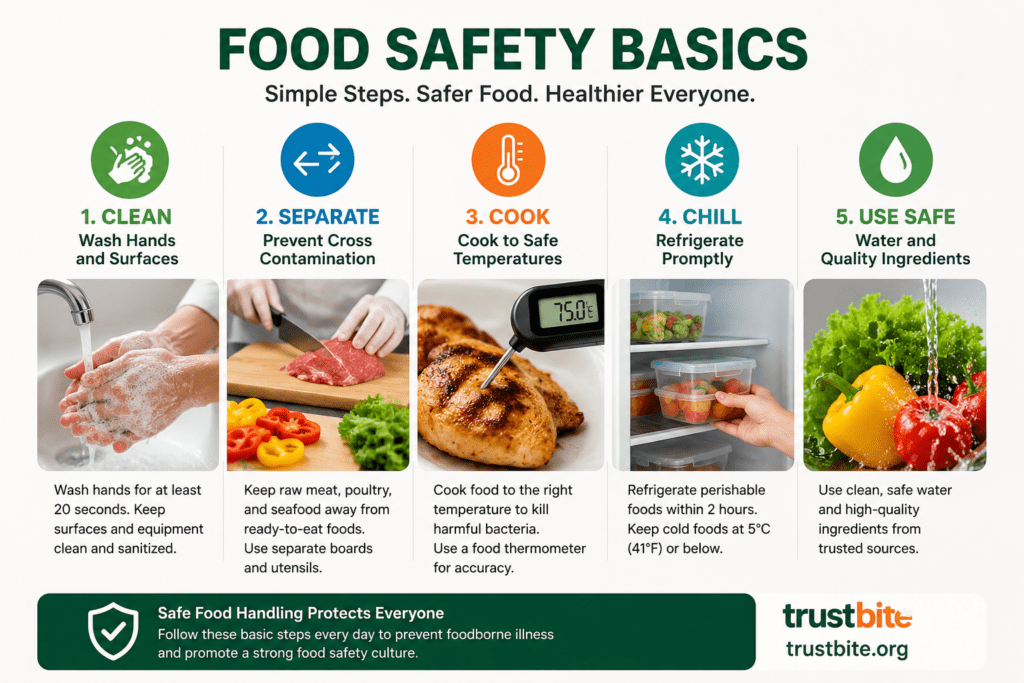
Handwashing and Personal Hygiene
Handwashing is one of the easiest and most effective food safety practices. Clean hands help stop harmful microorganisms from spreading to food, surfaces, and equipment.
Food handlers should wash their hands before handling food, after using the restroom, after touching raw meat, after touching garbage, and after coughing or sneezing. Proper handwashing should include soap, warm water, and enough time to clean thoroughly.
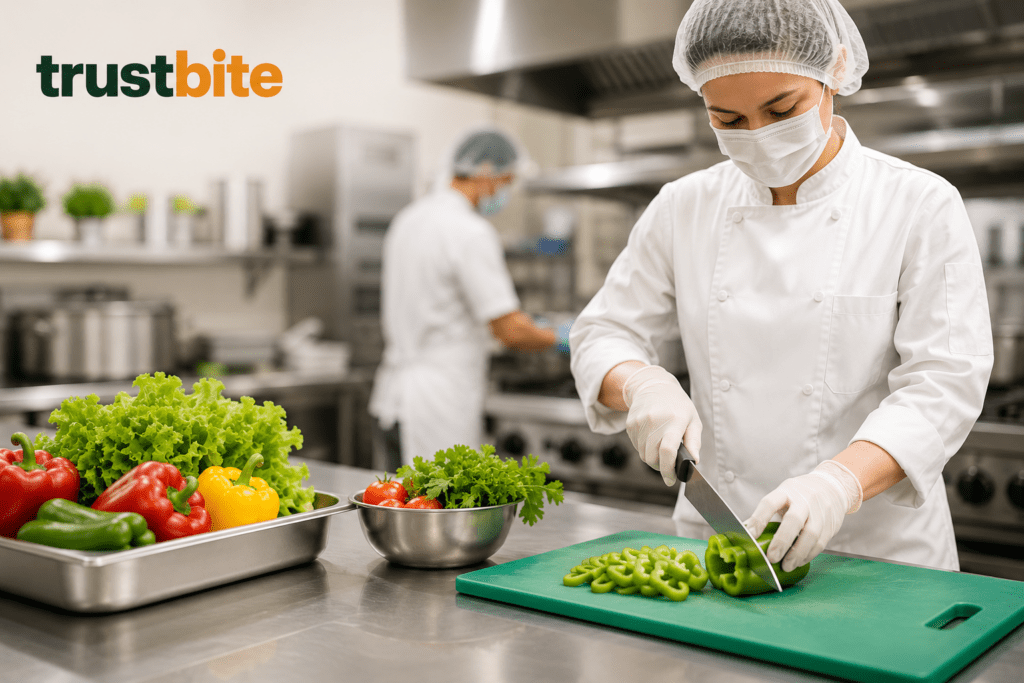
Clean uniforms, hair restraints, and proper glove use also support good food hygiene. Businesses that prioritize personal hygiene often create safer and more professional working environments.
Temperature Control
Temperature control helps slow or stop bacterial growth. Proper temperature management is critical throughout storage, cooking, transportation, and service.
Cold foods should stay cold and hot foods should stay hot. Food businesses often monitor temperatures for refrigerators, freezers, cooked foods, delivery vehicles, and hot holding equipment to maintain safety standards.
Cooking food to safe internal temperatures is also critical. Using food thermometers helps verify that food has reached temperatures that reduce harmful bacteria.
Cleaning and Sanitizing
Cleaning removes dirt and food residue while sanitizing reduces harmful microorganisms to safer levels. These two processes work together to support food safety and hygiene.
Food contact surfaces, utensils, and equipment should be cleaned regularly to reduce contamination risks. Businesses should also follow cleaning schedules to maintain consistent sanitation standards.
Well maintained cleaning procedures help create safer food environments. They also support compliance with food safety regulations and inspection requirements.
Safe Storage Practices
Food should be stored in ways that prevent contamination and maintain product quality. Safe storage practices help reduce spoilage and lower food safety risks.
Important food storage practices include separating raw and ready to eat foods, labeling products correctly, rotating stock properly, keeping storage areas clean, and protecting food from pests. Organized storage also improves operational efficiency.
Good storage supports both food quality and food safety. Businesses that manage storage correctly are better prepared to maintain safe food handling standards consistently.
Food Safety at Home
Food safety is not only for professionals. Many cases of foodborne illness happen in home kitchens because people often overlook basic hygiene practices.
Simple home food safety habits include washing hands before cooking, cooking meat thoroughly, refrigerating leftovers quickly, washing fruits and vegetables, avoiding expired products, and cleaning kitchen surfaces regularly. These habits are easy to follow and can greatly reduce health risks.
Families can lower contamination risks by staying organized and maintaining clean cooking spaces. Teaching children basic food hygiene also helps create healthier long term habits at home.
Food Safety in Restaurants and Food Businesses
Restaurants and food businesses face greater risks because they prepare food for many people every day. A single mistake can affect large numbers of customers in a short period of time.
Strong food safety systems help businesses manage these risks consistently. Many businesses use systems based on HACCP principles, which help identify hazards and control risks during food production and service.
Common food safety responsibilities in restaurants include monitoring temperatures, managing allergens, preventing cross contamination, cleaning equipment, training employees, and maintaining sanitation standards. Every team member contributes to safer food operations.
Consistency is key in professional food environments. Even small mistakes can create serious problems when food safety procedures are not followed correctly.
The Role of Food Handlers
Food handlers are one of the most important parts of any food safety system. Their daily actions directly affect food quality and customer safety.
A food handler is anyone who prepares, cooks, stores, serves, packages, or transports food. This includes restaurant staff, factory workers, caterers, delivery workers, and many others involved in the food supply chain.
Food handlers help protect customers when they follow hygiene practices, wash hands correctly, report illness, handle food safely, use clean equipment, and follow company procedures. Responsible behavior helps reduce contamination risks significantly.
When employees understand why food safety matters, they are more likely to follow safe practices consistently. Education and awareness create stronger long term habits in the workplace.
Why Food Safety Training Matters
Food safety training helps workers understand risks and learn how to prevent contamination. Proper education gives employees the confidence to make safer decisions during daily tasks.
Without training, employees may unknowingly make unsafe decisions that increase contamination risks. Even experienced workers benefit from refresher training and updated procedures.
Good food safety training teaches workers proper hygiene practices, safe food handling, cleaning procedures, temperature control, allergen awareness, and cross contamination prevention. Training also helps improve communication and accountability within teams.
Many businesses now use digital learning platforms to improve workforce training and make education easier to access. Platforms such as Confi Food help businesses maintain consistent food safety training across different teams and locations.
Training should not happen only once. Regular refreshers help employees stay aware of changing risks, updated procedures, and evolving food safety requirements.
What Is Food Safety Culture?
Food safety culture is the shared attitude and behavior toward food safety inside a business. It reflects how seriously employees and management take food safety responsibilities every day.
In strong food safety cultures, employees care about doing things correctly even when no one is watching. Safe practices become part of daily routines instead of temporary rules followed only during inspections.
A positive food safety culture includes clear communication, strong leadership, employee accountability, ongoing training, consistent hygiene practices, and early problem reporting. Businesses with strong cultures often experience fewer food safety incidents.
When management supports food safety, employees are more likely to take it seriously. Leadership behavior strongly influences workplace habits and employee attitudes toward compliance.
Food Safety and Compliance
Food businesses must follow food safety regulations designed to protect public health. These rules help create minimum safety standards across the food industry.
Regulations may include requirements for hygiene, sanitation, traceability, allergen management, temperature monitoring, employee training, and documentation. Businesses must understand these requirements and apply them consistently.
Compliance helps businesses operate safely and meet legal responsibilities. It also improves customer trust and supports stronger operational systems.
Food inspections and audits help verify that businesses follow proper food safety practices. Regular reviews encourage continuous improvement and help identify potential risks early.
Common Food Safety Mistakes
Even experienced food handlers can make mistakes. Small errors can quickly create larger contamination risks if they are not corrected.
Awareness is one of the best ways to reduce food safety problems. Businesses that encourage communication and continuous improvement often perform better over time.
Not Washing Hands Properly
Quick rinses are not enough for proper hand hygiene. Effective handwashing requires soap, clean water, and enough time to remove harmful microorganisms.
Employees should also wash their hands at the correct times throughout the workday. Consistent hygiene habits greatly reduce contamination risks.
Leaving Food at Unsafe Temperatures
Food left out too long can allow bacteria to grow quickly. Temperature abuse is one of the most common causes of foodborne illness.
Businesses should monitor storage and service temperatures carefully. Using thermometers and following clear procedures helps maintain safer conditions.
Using Dirty Equipment
Unclean tools and surfaces can spread contamination between foods and work areas. Dirty equipment may also create long term sanitation problems inside facilities.
Regular cleaning schedules and proper sanitizing procedures help reduce these risks. Employees should understand the difference between cleaning and sanitizing to maintain better hygiene standards.
Ignoring Allergens
Food allergens must be handled carefully to protect sensitive customers. Even small amounts of allergens can cause serious reactions in some individuals.
Businesses should separate allergen containing foods and train employees on allergen awareness. Clear labeling and communication are also essential.
Poor Communication
Employees should clearly communicate food safety concerns and report problems immediately. Delayed reporting can allow small issues to become larger risks.
Strong communication helps businesses respond faster to hazards and maintain safer operations. Teamwork is an important part of food safety culture.
How Consumers Can Support Food Safety
Consumers also play a role in food safety. Everyday choices at home can help reduce contamination risks and improve overall food hygiene.
People can protect themselves by reading labels carefully, storing food correctly, following cooking instructions, washing hands before meals, choosing reputable food businesses, and paying attention to food recalls. These habits support safer food handling at home.
Consumers who understand basic food safety principles are better prepared to make informed decisions. Public awareness helps strengthen food safety across the entire food chain.
The Future of Food Safety
Food safety continues to evolve as technology, regulations, and consumer expectations change. Businesses are using more digital tools to improve consistency and reduce human error.
Today, many businesses use digital systems for temperature monitoring, employee training, traceability, food safety documentation, and corrective action management. These systems help businesses organize information more efficiently and respond faster to risks.
Technology can support stronger food safety programs, but the basics still matter most. Good hygiene, safe food handling, cleaning, and proper training remain the foundation of every effective food safety system.
As the food industry continues to grow, education and awareness will remain essential. Businesses that invest in food safety are better prepared to protect customers and maintain trust over time.
Conclusion
Food safety is about protecting people through safe food handling, good hygiene practices, and proper contamination control. It affects homes, restaurants, schools, hospitals, factories, and every business involved in food production and service.
Simple actions like washing hands, storing food correctly, cleaning equipment, and following temperature controls can greatly reduce the risk of foodborne illness. These habits support safer environments and improve public health outcomes.
Food safety also depends on people. Well trained food handlers, responsible leadership, and a strong food safety culture help create safer environments for everyone involved in the food chain.
Whether you are cooking at home or managing a food business, food safety is part of everyday life. Small habits make a big difference, and consistent safe practices help protect both consumers and businesses over the long term.
FAQ Section
What is food safety in simple words?
Food safety means handling, preparing, storing, and serving food in ways that help prevent contamination and foodborne illness. It includes hygiene practices, temperature control, cleaning, and safe food handling procedures.
Why is food safety important?
Food safety protects people from harmful bacteria, viruses, chemicals, and other hazards that can cause illness. It also helps businesses maintain customer trust and comply with food safety regulations.
What causes food contamination?
Food contamination can happen through poor hygiene, cross contamination, unsafe temperatures, dirty equipment, contaminated ingredients, or unsafe cleaning practices. Contamination can occur at any stage of the food supply chain.
What is a foodborne illness?
A foodborne illness is sickness caused by eating contaminated food or drinking contaminated water. Symptoms may include nausea, vomiting, diarrhea, fever, and stomach pain.
What are the main food safety hazards?
The main food safety hazards are biological hazards, chemical hazards, and physical hazards. Each type of hazard can affect food safety in different ways.
How can food handlers improve food safety?
Food handlers can improve food safety by washing hands properly, following hygiene practices, monitoring temperatures, preventing cross contamination, and following company procedures consistently.
What is food safety culture?
Food safety culture refers to the shared attitudes, behaviors, and values that influence how seriously food safety is taken within a business. Strong food safety cultures encourage consistent safe practices.
Why is food safety training important?
Food safety training helps employees understand risks, follow safe food handling procedures, improve hygiene practices, and maintain consistency across food operations.