
Independent Food Safety Standard & Recognition Authority
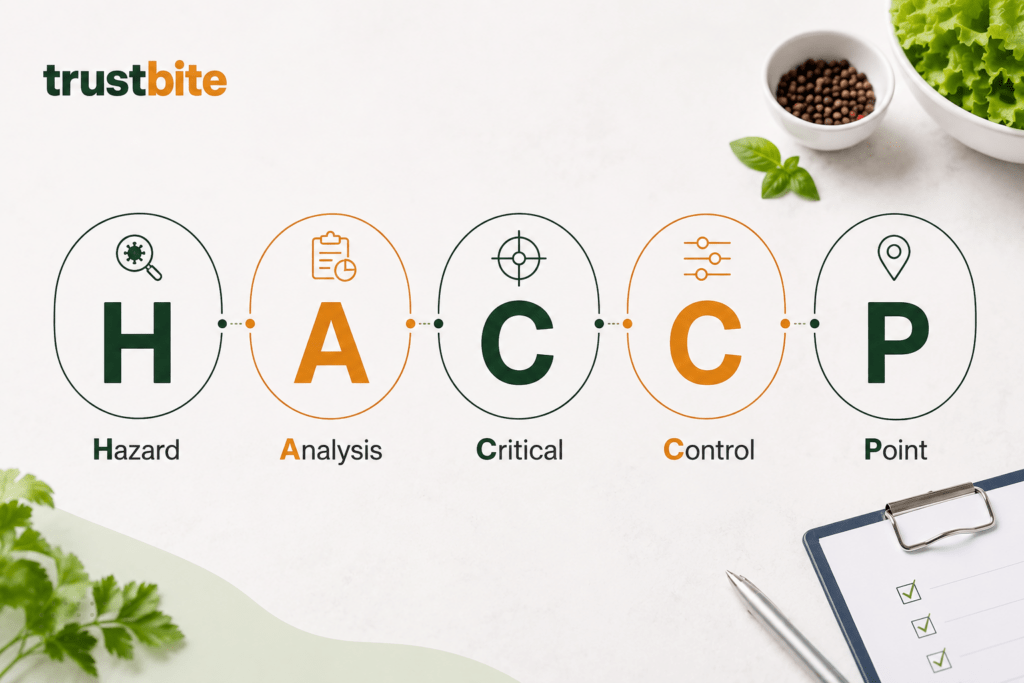
HACCP (Hazard Analysis and Critical Control Points) is a structured approach used to identify and control food safety hazards across production and handling processes. It is the foundation of most modern food safety systems.
In practice, HACCP systems often fail due to poor implementation, inconsistent monitoring, or lack of staff understanding. Many systems exist as documentation but are not effectively applied in daily operations.
This section focuses on how HACCP systems function in real environments, including how control measures are implemented, maintained, and verified over time.
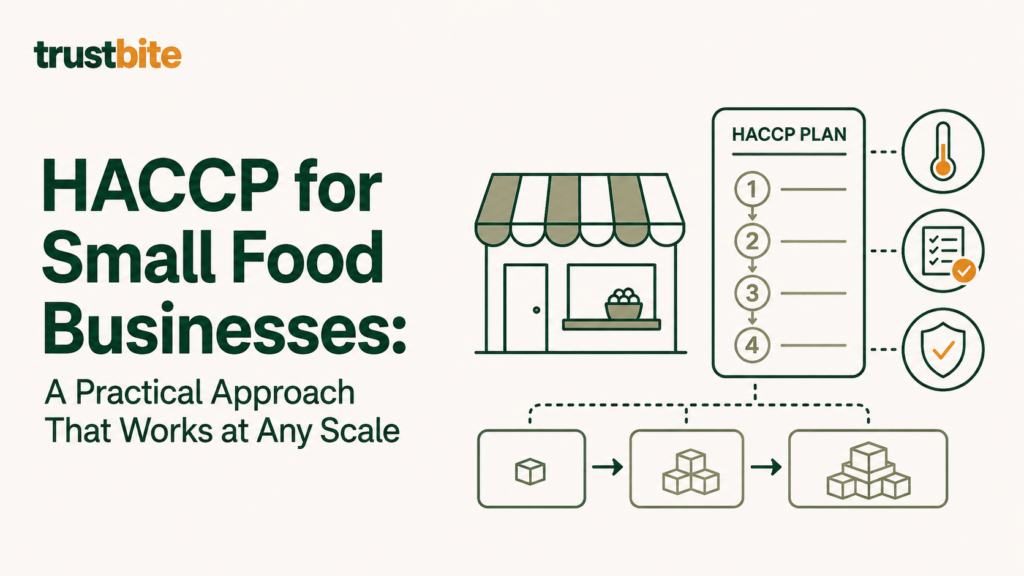
HACCP for small food businesses is a legal requirement in most jurisdictions and an operational…
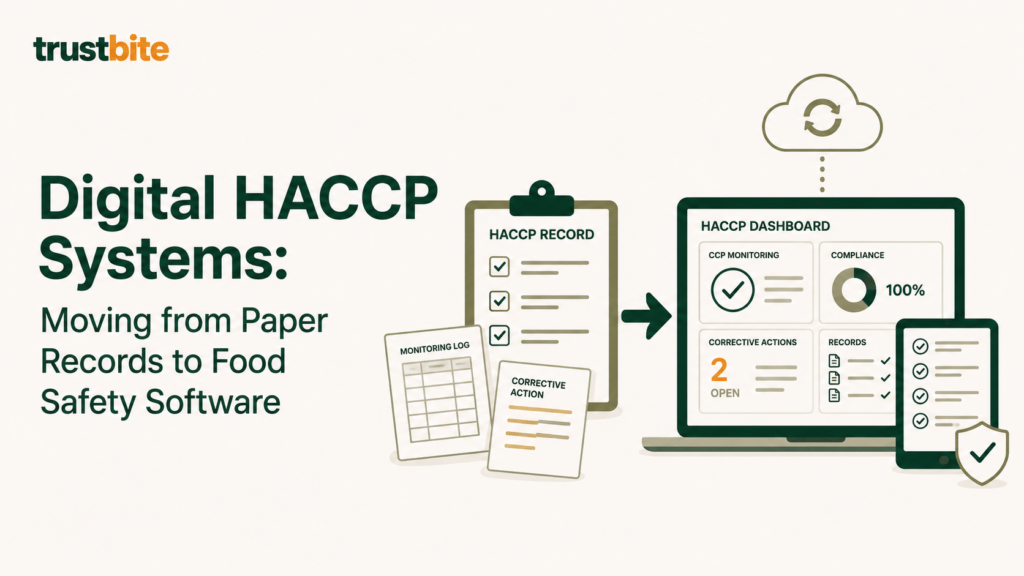
A digital HACCP system is a software-based approach to managing the documentation, monitoring, corrective action,…
Common mistakes in HACCP implementation follow recognizable patterns across different types of food business, different…
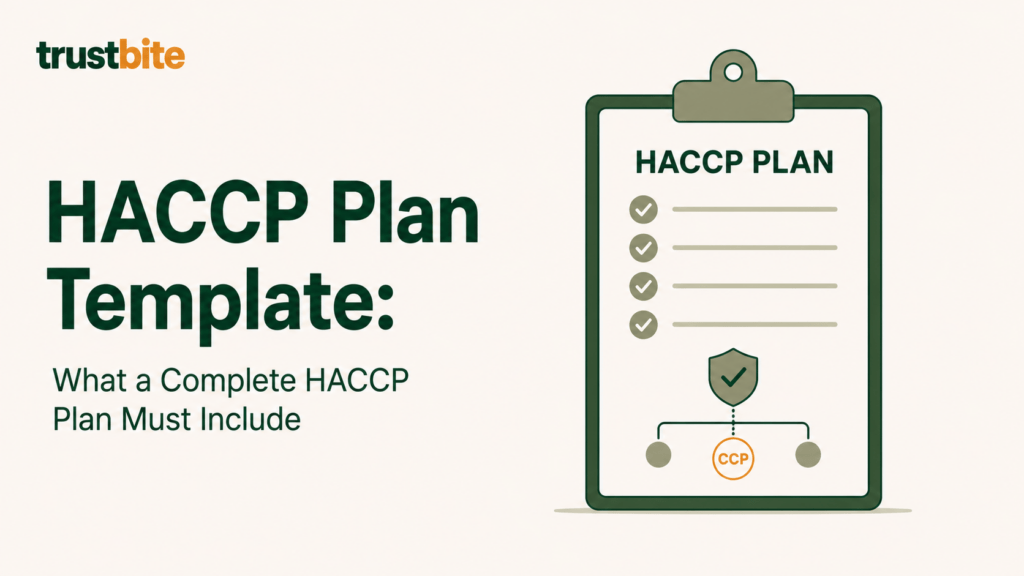
A HACCP plan is a written document that describes the hazard analysis and critical control…
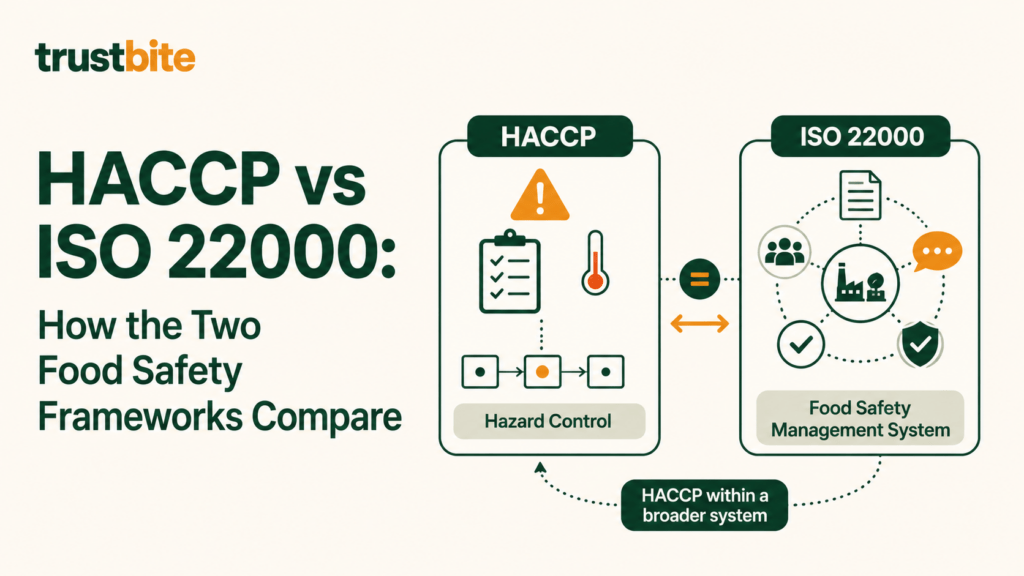
HACCP vs ISO 22000. HACCP and ISO 22000 are both food safety frameworks built on…
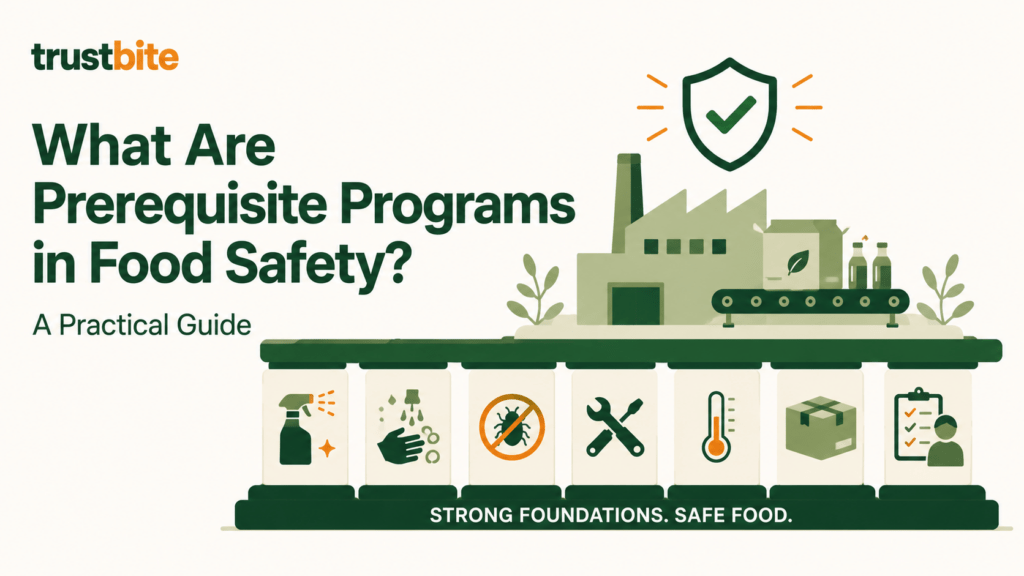
Prerequisite programs are the foundational hygiene and operational controls that a food business must have…
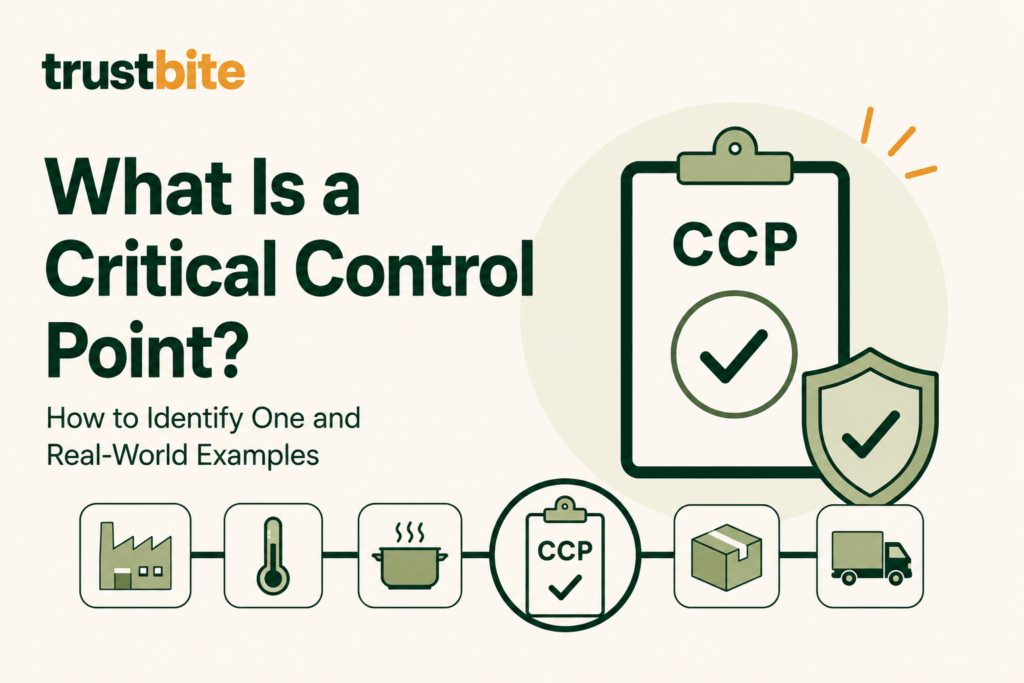
A Critical Control Point is a step in a food production or preparation process at…
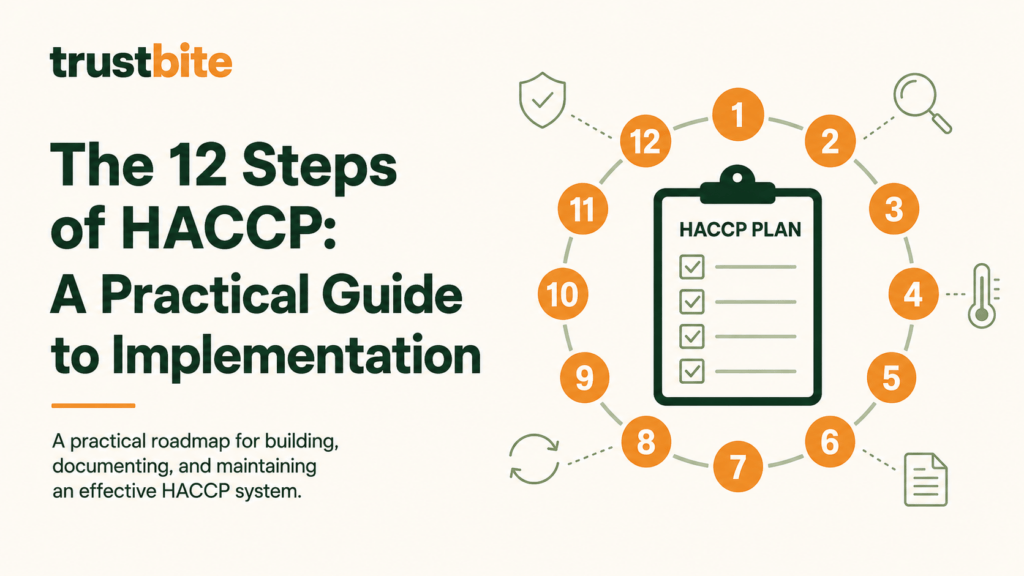
HACCP is built on 7 principles, but implementation requires 12 steps. The first 5 are…
What Is HACCP? Food businesses today operate in an environment where safety, consistency, and compliance…


TrustBite is an independent initiative focused on strengthening trust in food safety practices through voluntary standards, professional recognition, and educational coordination.
Copyright 2026 © All Right Reserved Design by Smartlab