
Independent Food Safety Standard & Recognition Authority
Audits and certifications are used to verify that food safety systems meet established standards such as HACCP and ISO frameworks. They provide structured evaluation at specific points in time.
However, certification does not always reflect ongoing performance. Businesses may pass audits while still having operational gaps between inspections.
This section focuses on how compliance translates into daily practice, including the limitations of audits and the importance of continuous system control.
A food safety compliance checklist for a new food business covers the legal obligations, operational…
A food safety supplier audit is a second-party assessment conducted by a buyer, retailer, or…
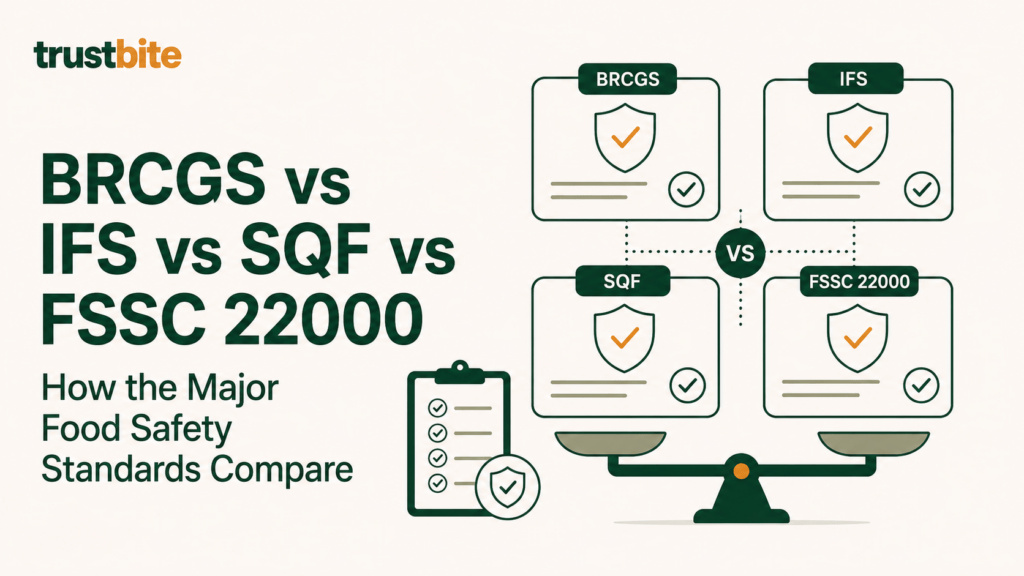
BRCGS, IFS, SQF, and FSSC 22000 are the four most widely recognized voluntary food safety…
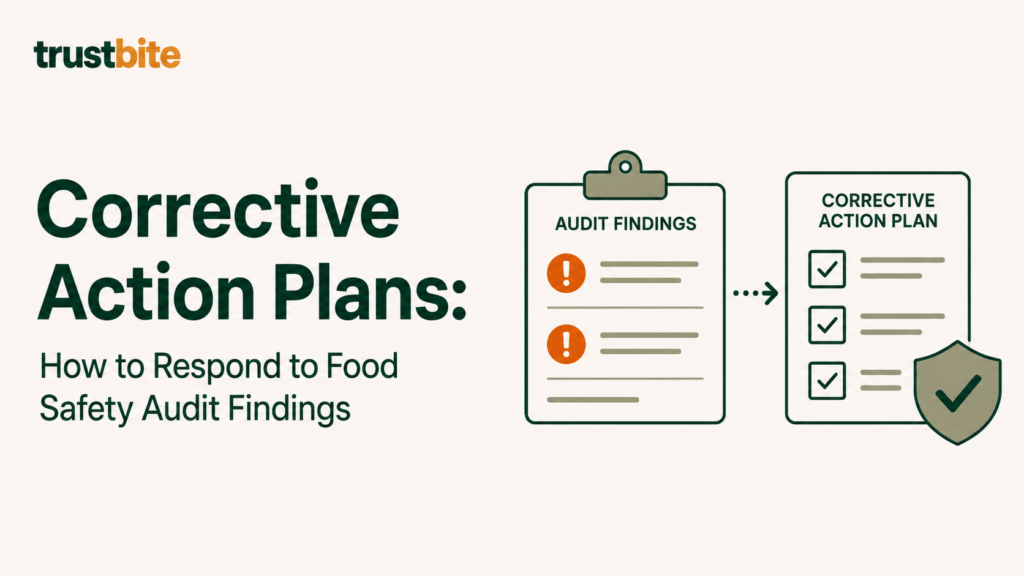
A corrective action plan is a documented response to non-conformances identified during a food safety…
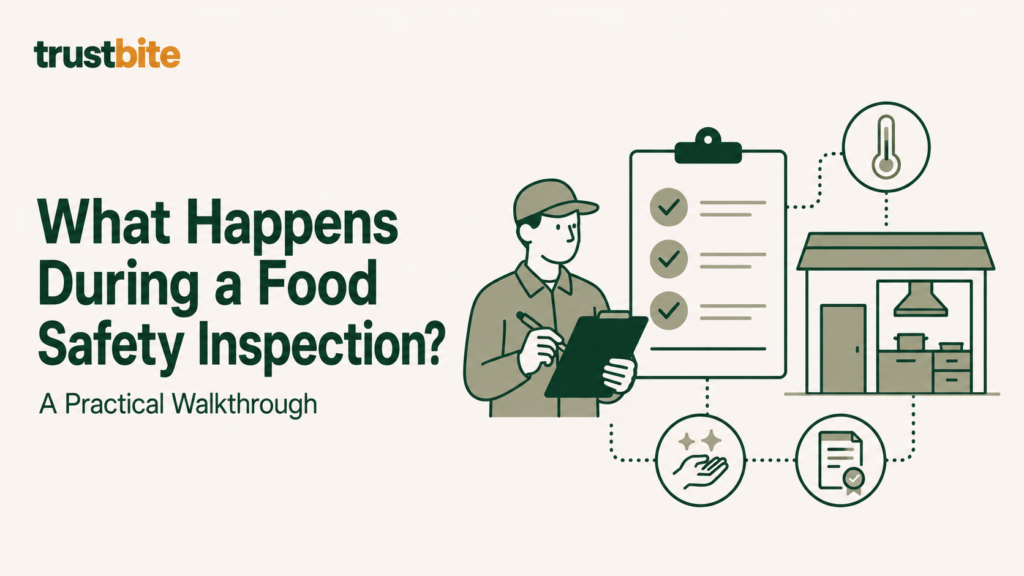
A food safety inspection is a regulatory assessment of a food business conducted by a…
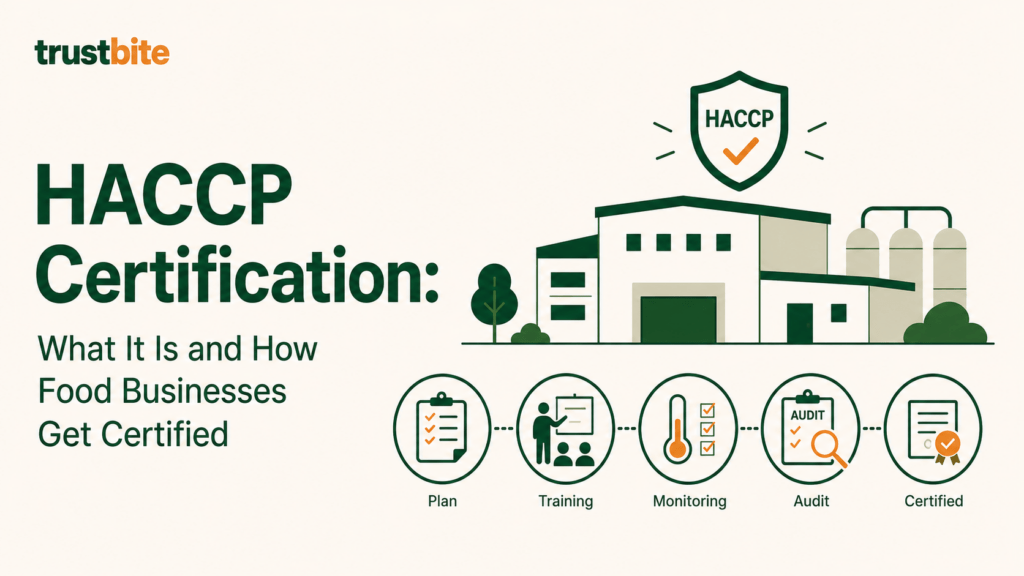
HACCP certification is formal recognition that a food business operates a food safety management system…
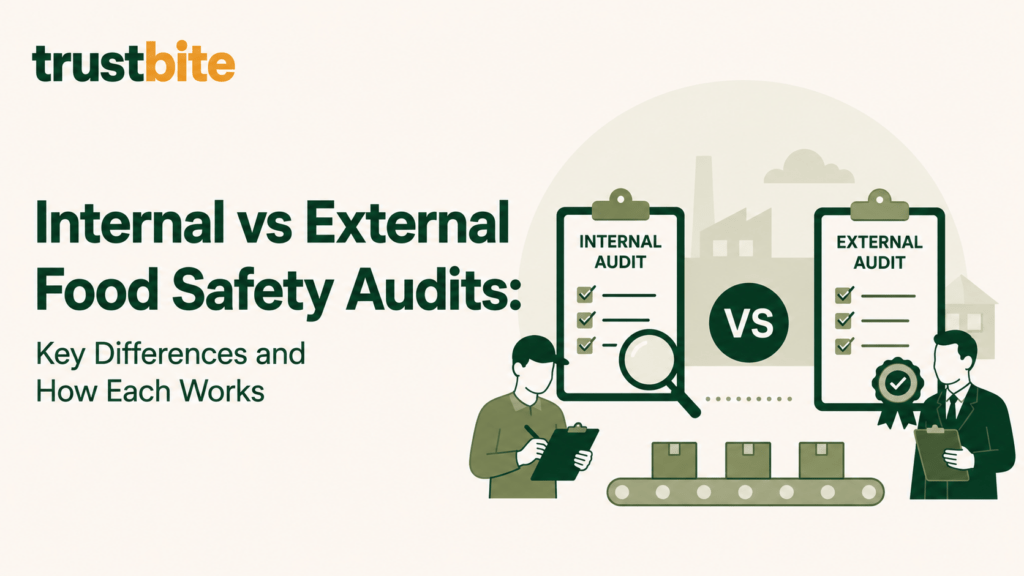
An internal food safety audit is conducted by personnel within the business to assess its…
Every food business eventually faces the same question from a regulator, a buyer, or a…


TrustBite is an independent initiative focused on strengthening trust in food safety practices through voluntary standards, professional recognition, and educational coordination.
Copyright 2026 © All Right Reserved Design by Smartlab