Foodborne illness affects millions of people around the world every year. It can happen in homes, restaurants, schools, food factories, and even during travel. In many situations, people do not realize that small food safety mistakes can quickly turn safe meals into contaminated food.
Foodborne illness happens when people eat food or drink beverages contaminated with harmful bacteria, viruses, parasites, chemicals, or allergens. Some cases are mild and disappear within a day or two. Other cases can become serious and lead to hospitalization, especially for children, older adults, pregnant women, and people with weakened immune systems.
Most foodborne illness cases are preventable with proper food hygiene and safe food handling. Understanding how contamination happens is one of the best ways to reduce food safety risks in daily life. Simple habits such as washing hands properly, storing food safely, and cooking food thoroughly can make a major difference.
What Is Foodborne Illness?
Foodborne illness, often called food poisoning, is sickness caused by eating contaminated food or drinks. The contamination may come from harmful bacteria, viruses, parasites, toxic chemicals, or allergens. Foodborne illness can affect anyone regardless of age or lifestyle.
Common symptoms of foodborne illness include stomach pain, diarrhea, nausea, vomiting, fever, and fatigue. Symptoms may appear within a few hours or several days after eating contaminated food. Some illnesses are short and mild, while others can last longer and require medical attention.
Foodborne illness can happen at any point in the food supply chain. Food contamination may occur during farming, production, transportation, cooking, serving, or storage. This is why food safety practices are important at every stage of food handling.
1. Poor Handwashing and Personal Hygiene
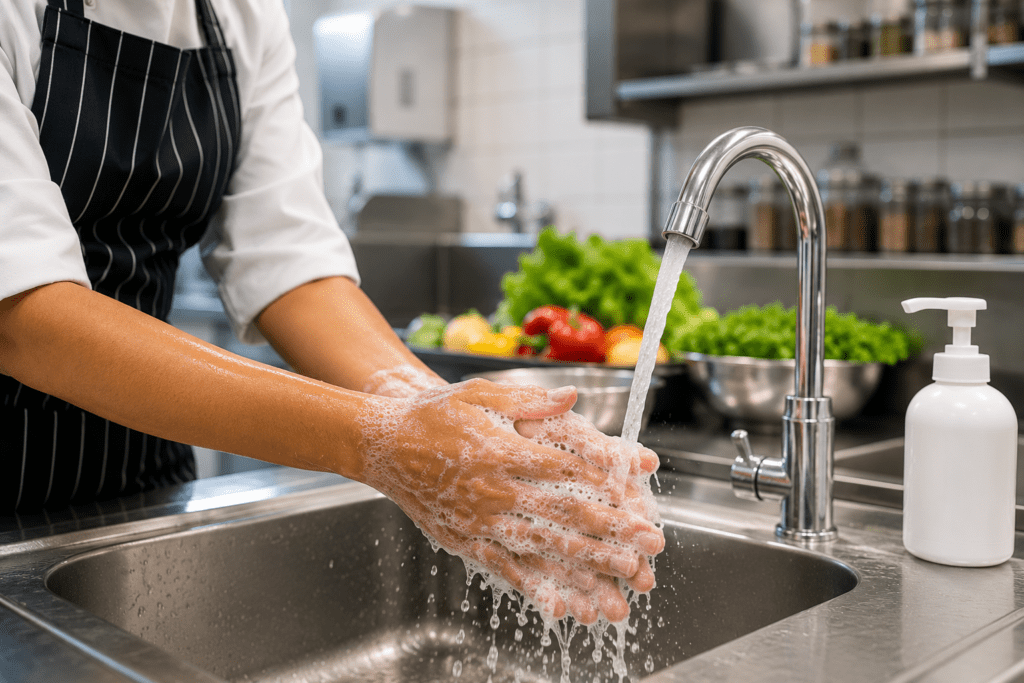
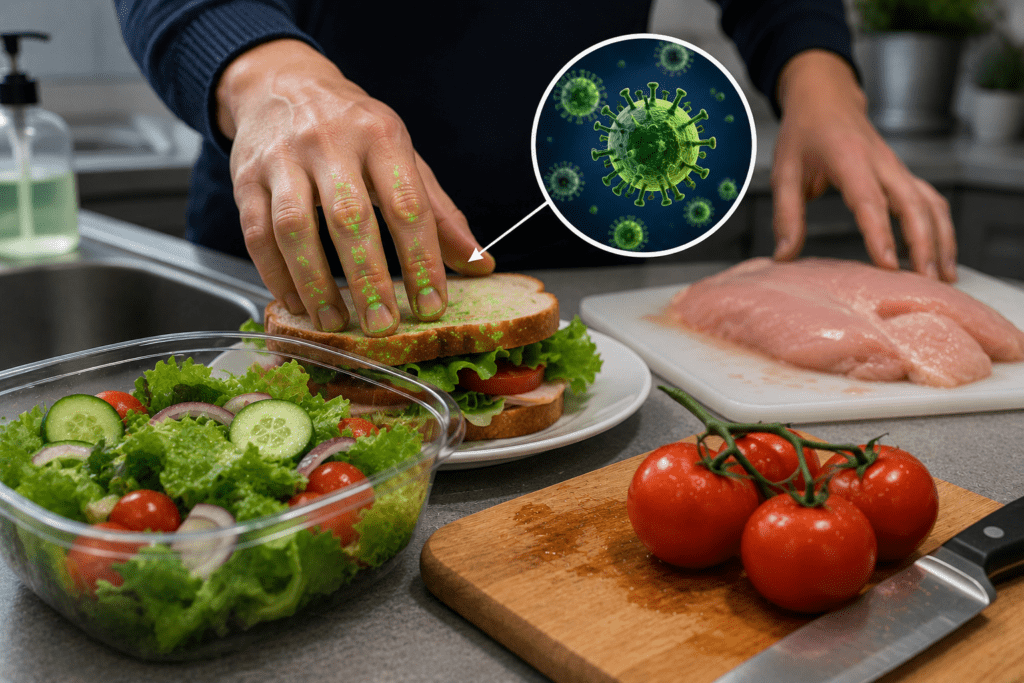
Poor hygiene is one of the leading causes of foodborne illness around the world. Hands can easily carry harmful bacteria and viruses from dirty surfaces, raw foods, phones, money, or bathroom areas. If those germs reach food, contamination can spread quickly.
A common example happens when a food worker handles raw chicken and then touches bread or salad ingredients without washing their hands. The bacteria from the raw poultry move directly onto ready to eat food. Customers may then develop foodborne illness after eating the contaminated food.
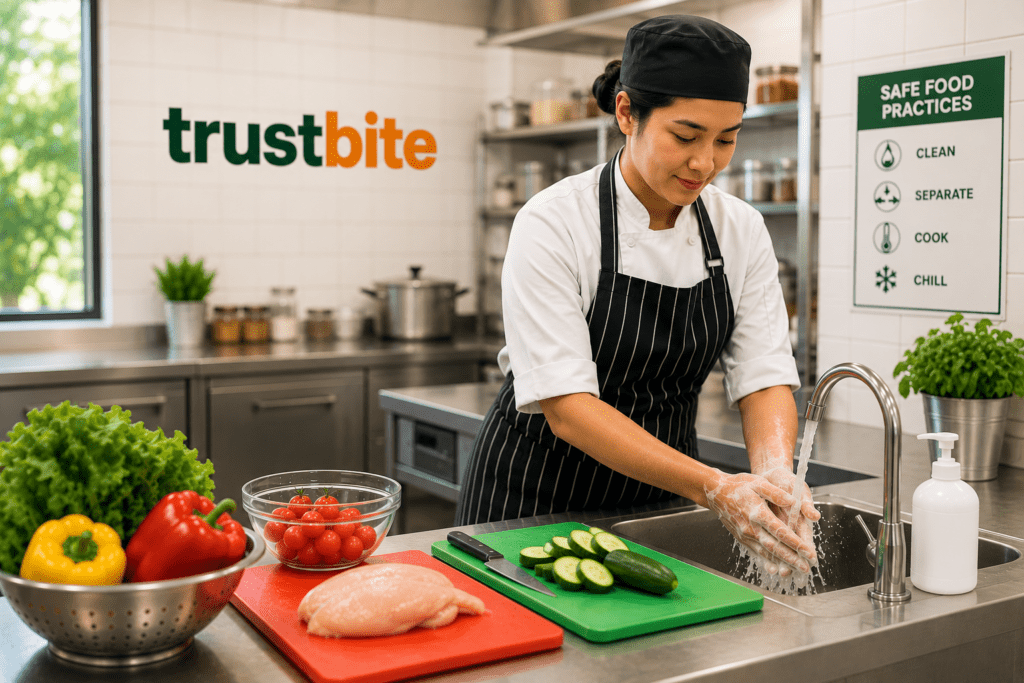
Proper handwashing is one of the simplest and most effective food safety practices available. Hands should be washed with soap and warm water for at least 20 seconds before handling food and after touching raw meat, garbage, or bathroom surfaces. Good food hygiene also includes clean clothing, covered wounds, trimmed nails, and staying home when sick.
2. Cross Contamination Between Foods
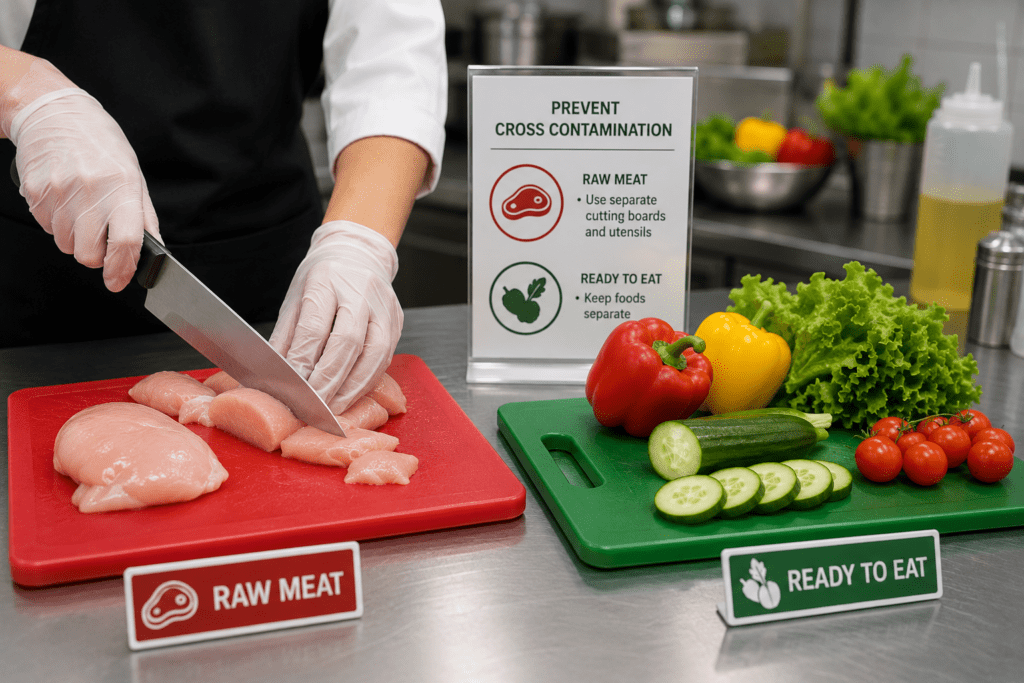
Cross contamination happens when harmful bacteria move from one food or surface to another. This is one of the most common food safety risks in kitchens and food businesses. Cross contamination often involves raw meat, poultry, seafood, or eggs.
For example, someone may use the same cutting board for raw chicken and fresh vegetables without cleaning it first. Even though the vegetables are healthy, they become contaminated after touching bacteria left behind on the board. Foodborne illness can then develop when the vegetables are eaten raw.
Preventing cross contamination requires careful food handling habits every day. Separate cutting boards should be used for raw and ready to eat foods whenever possible. Utensils, knives, and surfaces should also be cleaned and sanitized properly between tasks to reduce food contamination risks.
3. Improper Food Storage
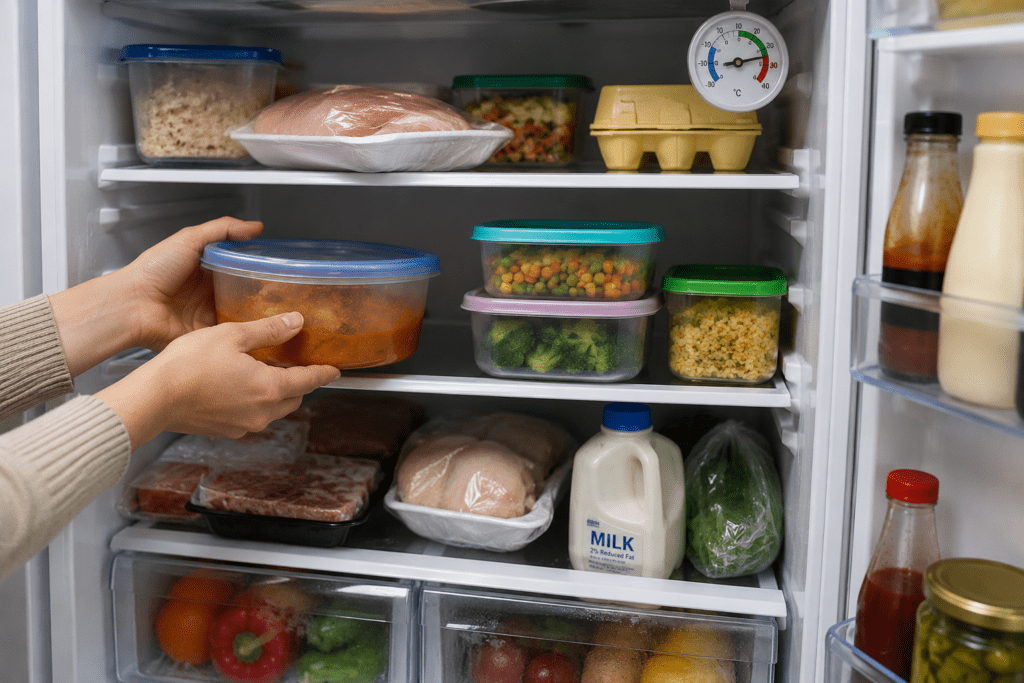
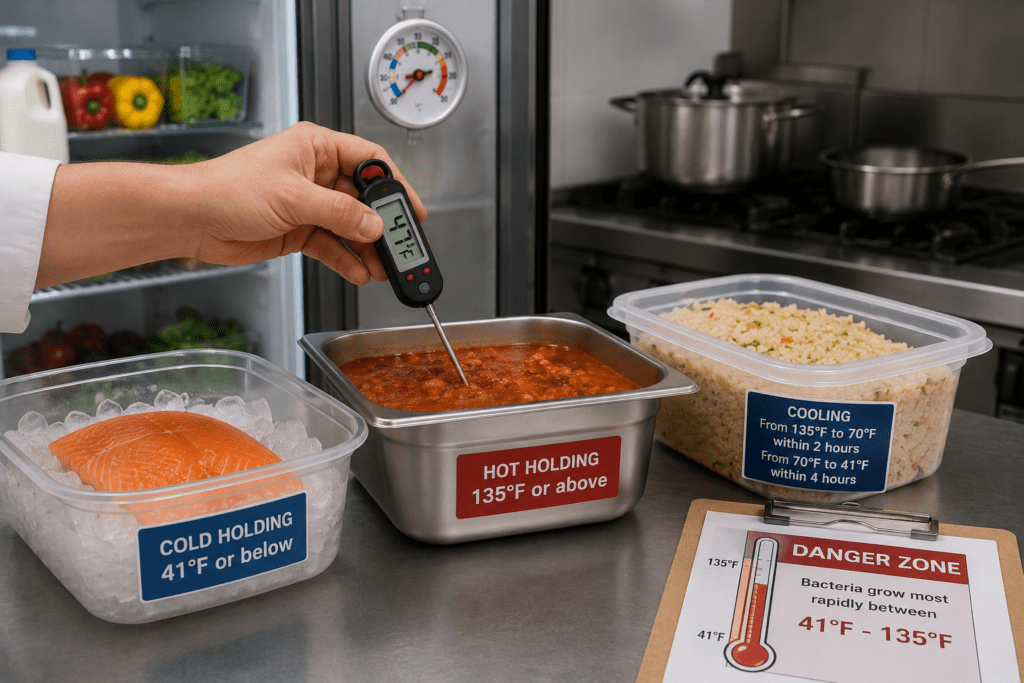
Improper food storage creates conditions where bacteria in food can grow rapidly. Many harmful bacteria multiply quickly when food is left at unsafe temperatures for too long. Foodborne illness often develops because food was not refrigerated or stored correctly.
A common example involves cooked rice or pasta left on the kitchen counter overnight. Even if the food still looks normal, bacteria may already be growing inside it. Eating the contaminated food may lead to stomach pain, vomiting, or diarrhea.
Safe food storage is one of the most important food safety practices for homes and businesses. Refrigerators should stay cold enough to slow bacterial growth, and leftovers should be refrigerated quickly after meals. Food should also be stored in sealed containers and organized to prevent contamination between raw and cooked products.
4. Undercooked Meat, Poultry, and Seafood
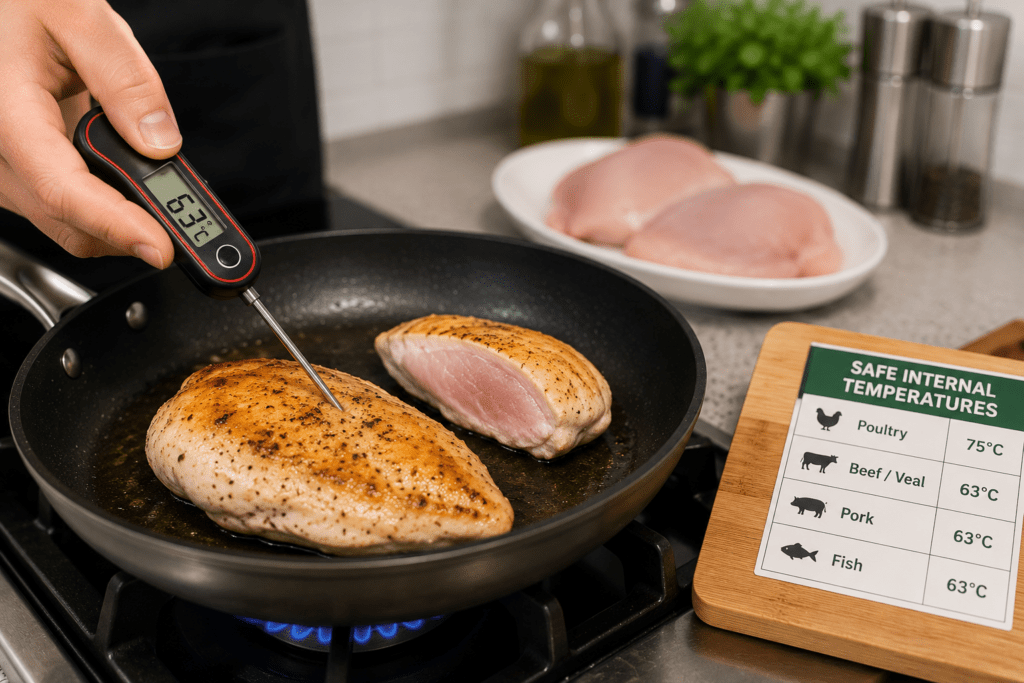
Undercooked food remains one of the biggest causes of foodborne illness worldwide. Harmful bacteria and parasites can survive when meat, poultry, seafood, or eggs are not cooked thoroughly. The outside of food may look ready while dangerous bacteria remain alive inside.
One example is a hamburger that appears brown on the surface but stays undercooked in the middle. The center may still contain harmful bacteria that survived the cooking process. This type of contaminated food can easily lead to food poisoning.
Proper cooking temperatures are essential for safe food handling. Food thermometers help confirm that meat and poultry have reached safe internal temperatures. Restaurants and food businesses should train employees carefully on temperature control and proper cooking procedures.
5. Unsafe Food Temperatures
Unsafe food temperatures allow harmful bacteria to grow quickly and increase food safety risks. Bacteria multiply fastest when food remains too long at room temperature. This problem affects homes, restaurants, catering businesses, and food production facilities.
A buffet line is a good example of this issue. Hot foods may slowly cool down during service if heating equipment is not working properly. As the food enters unsafe temperature ranges, bacteria in food can multiply rapidly and increase the chance of foodborne illness.
Good temperature control protects food from dangerous bacterial growth. Hot foods should remain hot during service, while cold foods should stay properly refrigerated. Monitoring temperatures regularly is one of the most reliable food safety practices for preventing contaminated food.
6. Viruses Spread Through Food
Foodborne illness is not always caused by bacteria. Viruses are another major source of contaminated food and can spread very easily in kitchens and dining areas. Poor hygiene and unsafe food handling are common causes of viral contamination.
One example happens when a sick employee prepares food without washing their hands properly. Viruses from the employee can spread onto ready to eat meals or beverages. Customers who consume the contaminated food may become ill within a short period.
Preventing viral food contamination requires strong food hygiene practices every day. Food handlers should wash their hands correctly and avoid preparing food while sick. Surfaces, utensils, and food contact areas should also be cleaned and sanitized regularly.
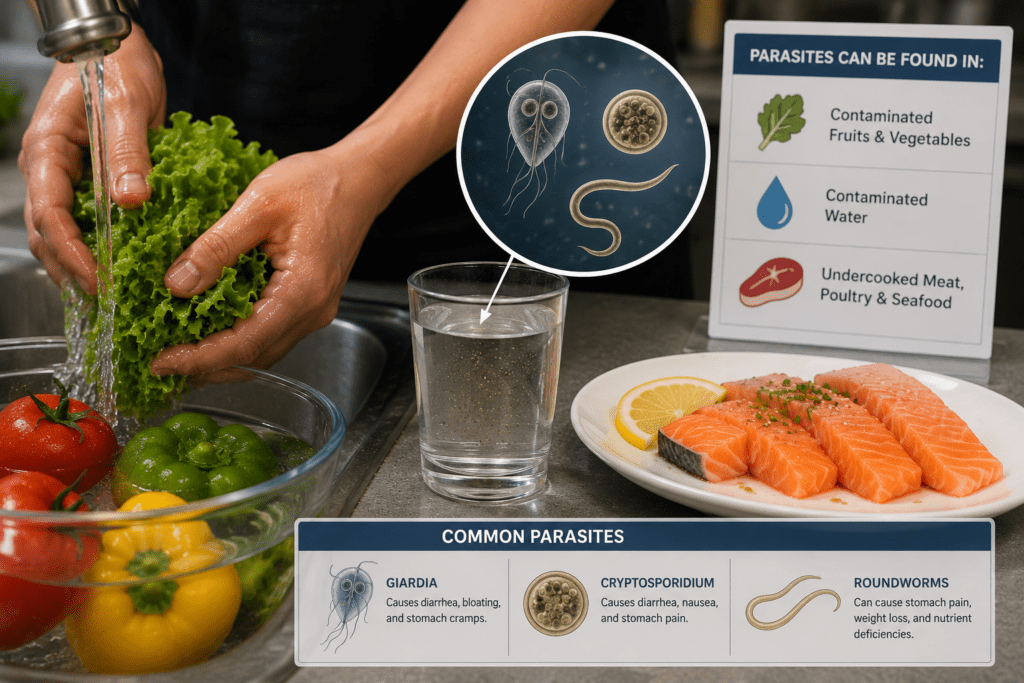
7. Parasites in Food and Water
Parasites are living organisms that can survive in contaminated food or unsafe water. Although parasites are less common than harmful bacteria, they can still cause serious foodborne illness. Raw seafood and untreated water are common sources of parasite related contamination.
One real world example involves undercooked fish served without proper freezing procedures. Some parasites can survive if seafood is not handled safely before preparation. Eating contaminated food may then lead to digestive problems and illness.
Safe food handling greatly reduces parasite risks. Meat and seafood should always be cooked properly according to food safety guidelines. Washing fruits and vegetables thoroughly and using clean water also helps prevent food contamination.
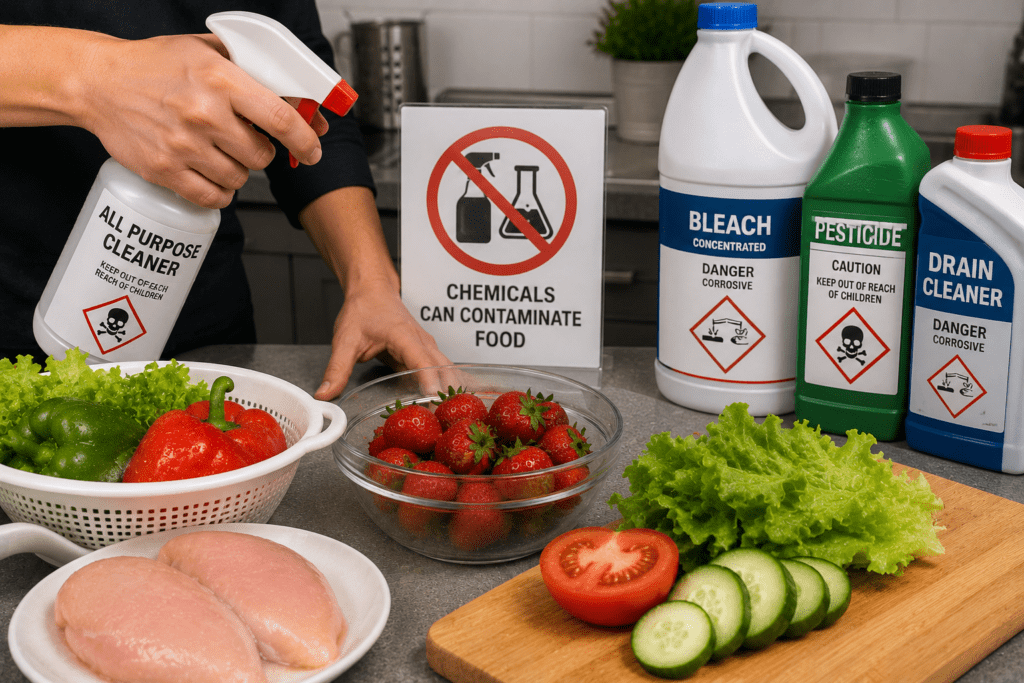
8. Chemical Contamination
Chemical contamination is another important cause of foodborne illness. Food can become unsafe when cleaning chemicals, pesticides, or unsafe packaging materials come into contact with meals or ingredients. Chemical food contamination can happen in homes and commercial kitchens alike.
One example occurs when cleaning sprays are stored beside cooking ingredients. A leaking chemical container may contaminate nearby food packaging or surfaces without anyone noticing immediately. People who eat the contaminated food may then become sick.
Food safety practices should always include proper chemical storage and labeling procedures. Cleaning products should be stored far away from food preparation areas and ingredients. Employees should also receive training on safe chemical handling and proper food hygiene procedures.
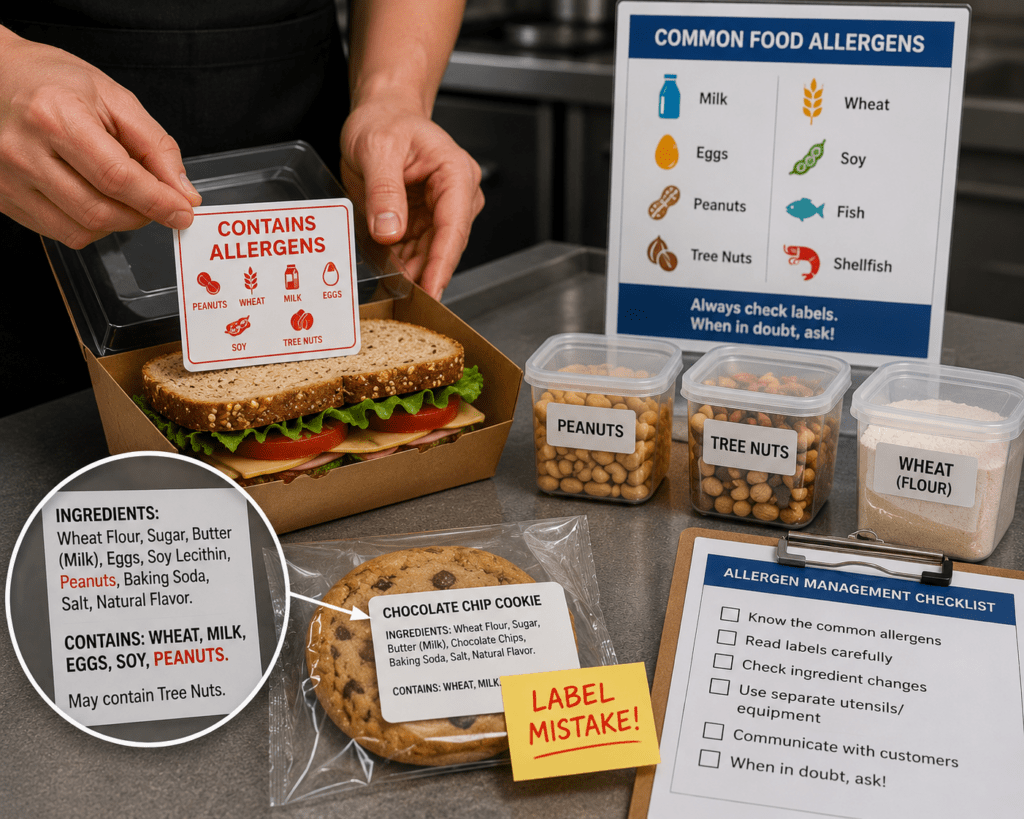
9. Food Allergens and Labeling Mistakes
Food allergens are a serious food safety concern for millions of people worldwide. Even very small amounts of allergens can trigger dangerous reactions in sensitive individuals. Food contamination involving allergens often happens because of poor communication or improper food handling.
For example, a dessert may be labeled as nut free even though the equipment used to prepare it also handled peanuts earlier in the day. This type of cross contact can expose customers to allergens without them realizing it. Severe allergic reactions may occur after consuming the contaminated food.
Preventing allergen related foodborne illness requires careful procedures and employee awareness. Food businesses should maintain accurate ingredient labeling and train staff about allergen safety. Cleaning equipment properly between tasks also helps reduce food contamination risks.
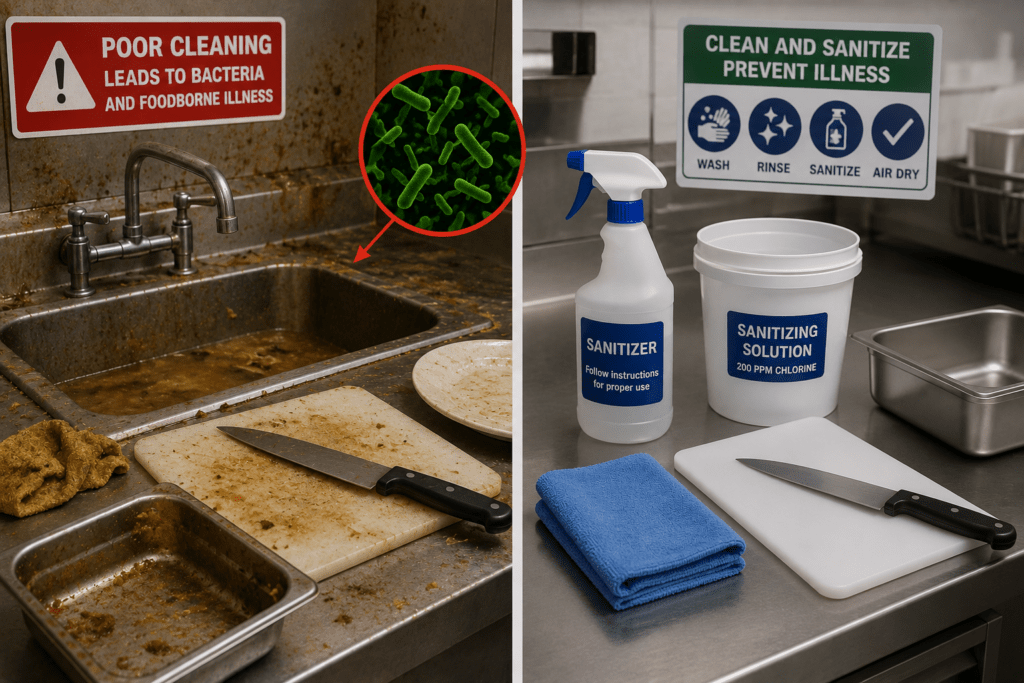
10. Poor Cleaning and Sanitizing
Poor cleaning and sanitizing allow harmful bacteria to spread throughout kitchens and food preparation areas. Dirty surfaces, utensils, and machines can contaminate large amounts of food very quickly. Foodborne illness often develops because bacteria remain on equipment after incomplete cleaning.
A deli slicer provides a common example. Workers may wipe the machine quickly between tasks without fully sanitizing it. Harmful bacteria can remain on the equipment and contaminate every product sliced afterward.
Strong cleaning systems are an essential part of food safety practices. Food contact surfaces should be cleaned and sanitized regularly throughout the day. Many businesses now use digital food safety education platforms such as Confi Food to improve employee training and help teams maintain more consistent food hygiene standards.
Common Employee Food Handling Mistakes
Foodborne illness often happens because of small daily mistakes that employees do not notice immediately. Even experienced workers can create food safety risks if they rush tasks or ignore basic hygiene procedures. Consistency is extremely important in every food business.
Common mistakes include forgetting to wash hands, leaving food at room temperature too long, and using the same utensils for raw and cooked food. Employees may also skip temperature checks or fail to sanitize surfaces properly during busy work periods. These actions increase the risk of contaminated food reaching customers.
Regular food safety training helps employees understand why these procedures matter. Staff should receive simple and practical guidance that they can apply during daily operations. Strong training programs improve safe food handling habits and reduce foodborne illness risks over time.
Safe Food Practices That Help Prevent Foodborne Illness
Preventing foodborne illness does not require complicated systems in most situations. Many food safety risks can be controlled through simple daily habits and consistent routines. Good food hygiene protects both consumers and food businesses from unnecessary problems.
Handwashing is one of the most important food safety practices available. Clean hands reduce the spread of harmful bacteria and viruses during food preparation and service. Washing hands regularly also lowers the risk of cross contamination between foods and surfaces.
Proper temperature control is another critical part of safe food handling. Cold foods should stay cold and hot foods should remain hot during storage and service. Food should also be cooked thoroughly and stored safely to reduce bacterial growth and contamination risks.
Cleaning and sanitizing should happen regularly throughout every kitchen operation. Food contact surfaces, utensils, and equipment should always remain clean and properly maintained. These simple food safety practices help reduce the chances of foodborne illness in homes and commercial kitchens alike.
Why Food Safety Matters Every Day
Food safety affects everyone every day, whether meals are prepared at home or served in restaurants and food businesses. Most people trust that the food they eat is safe and properly handled. Maintaining that trust requires consistent food hygiene and responsible food handling practices.
Foodborne illness can often be prevented through simple actions and awareness. Proper cleaning, temperature control, employee hygiene, and safe food storage all work together to reduce contamination risks. Small improvements in daily habits can protect many people from becoming sick.
Understanding the common causes of foodborne illness helps individuals and businesses make safer decisions. Food safety is not only about regulations or inspections. It is about protecting health, maintaining trust, and serving food responsibly every single day.
Frequently Asked Questions
What causes foodborne illness?
Foodborne illness is caused by contaminated food or beverages containing harmful bacteria, viruses, parasites, chemicals, or allergens. Poor hygiene and improper food handling are among the most common causes.
What is cross contamination in food safety?
Cross contamination happens when harmful bacteria or allergens spread from one food or surface to another. This often occurs between raw and ready to eat foods.
How can foodborne illness be prevented?
Foodborne illness can often be prevented through safe food handling, proper cooking, cleaning, temperature control, and correct food storage.
Why is temperature control important in food safety?
Unsafe temperatures allow harmful bacteria to grow rapidly in food. Proper temperature control helps reduce food contamination and keeps food safer to eat.
What are common symptoms of food poisoning?
Common symptoms include nausea, vomiting, diarrhea, stomach pain, fever, and fatigue. Symptoms may vary depending on the type of contamination.
What is foodborne illness?
Foodborne illness is sickness caused by eating contaminated food or beverages containing harmful bacteria, viruses, parasites, chemicals, or allergens.
What are the most common food safety risks?
The most common food safety risks include poor hygiene, cross contamination, improper food storage, undercooked food, and unsafe temperatures.
How does bacteria get into food?
Bacteria can enter food through dirty hands, contaminated surfaces, raw ingredients, unsafe water, or improper food handling practices.
What is the safest way to store food?
Food should be stored at safe temperatures in sealed containers while keeping raw and cooked foods separated to reduce contamination risks.
Why is handwashing important in food safety?
Handwashing helps stop harmful bacteria and viruses from spreading onto food during preparation, cooking, and serving.